
Use these tips to prepare for an outage based on your needs or the needs of someone you care for. Find steps to take before, during and after an outage.
If you need help building a plan, contact our partners at 211 California. 211 is a free service that provides live, personalized guidance to help you prepare and get connected to local programs.
For support call 211 or text "PREPARE" to 211-211.
- Customers with special medical needs
- Neurodivergent customers
- Older adults
- Caregivers
You may find these resources helpful if you or someone in your home relies on electricity for medical needs or independence, such as:
- Powering medical equipment like a ventilator, CPAP machine or home dialysis equipment
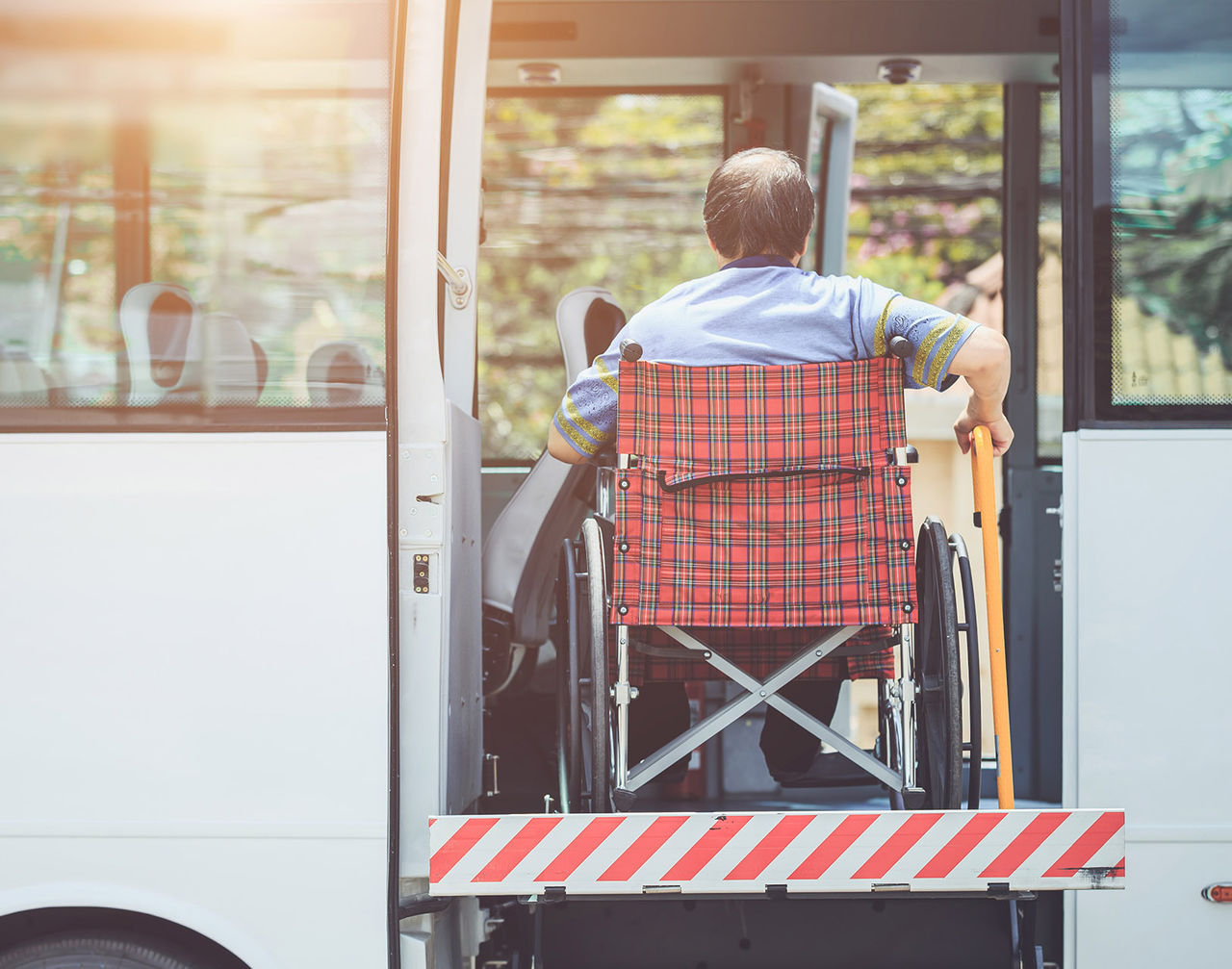
- Charging mobility or accessibility devices like a chair lift or power scooter
- Heating and cooling needed to manage a medical condition
We offer tailored resources to help you navigate power outages. Explore these tips to help you assess what you might need before, during and after an outage.
Prepare
Get outage alerts
- Update your contact information at pge.com/myalerts so PG&E can notify you of an outage.
- For any outage, we'll provide updates on when we expect power to be restored.
- For some safety outages, we may also be able to alert you before power goes out, giving you time to prepare.
Make an emergency plan
- Visit the Safety Action Center for support building an emergency plan and kit.
- Call 211 for live assistance building or updating your emergency plan.
Plan for medical equipment and mobility
- Plan how you would leave your home safely if the power is out.
- For example, learn how to manually open your garage door, identify an alternative exit if an automatic door stops working or determine how you would safely navigate stairs if an elevator is unavailable.
- Establish a mobility plan that outlines evacuation plans and how you will signal for help.
- A mobility plan considers emergency procedures with caretakers, home health care agencies or workers and even service animals.
- Plan for service animal preparedness
Sign up for additional support
- Apply for the Medical Baseline Program
- Self-enroll in the Self-Identified Vulnerable Program
- Explore Disaster Access and Resources Program (DDAR) resources
Pack your emergency outage kit
- Gather the food, tools and supplies you need to prepare for an outage.
What to include in your emergency plan
Communication information. How will you contact your network?
- Build a local support network of neighbors, friends or family that can help in an emergency.
- Create an emergency contact list and keep a printed copy in an easy-to-find location.
- Review and update your contact list each year.
- Decide where you and your support network will meet if you need to leave home.
- Share your emergency plan with your support network and review it together.
Mobility information. How will you leave your home safely if the power goes out?
- Plan how to open your garage door without electricity.
- Find out whether elevators, automatic doors or stair lifts in your building will work during an outage.
- Practice moving medical devices like oxygen tanks or mobility aids.
- Consider drafting a transport guide with instructions for your support network.
- Keep a manual wheelchair available if you may need one during an outage.
- Store backup medical supplies in a safe, easy-to-access location.
- Learn about transportation assistance that may be available during some outages.
Health information. Keep important health information in one place, including:
- A list of all medical equipment (e.g., CPAP or ventilator) you use and instructions for operating it
- The locations of nearby hospitals or urgent care centers
- A copy of your insurance card
- Your primary care doctor's contact information
What to include in your emergency kit
Store emergency food and water
- Keep 3-5 days' worth of food and water for your household, pets and service animals.
- Choose foods you can safely store, prepare and eat without power.
- Include extra food if someone may be assisting you during an outage.
Gather essential tools
- Pack flashlights, batteries, a radio and portable chargers.
- Keep extra batteries or portable chargers for medical devices you use.
- Practice moving these devices in case you need to evacuate with the help of a caregiver or support person, if needed.
Medical and self-care supplies
- Keep an extra seven-day supply of medications and printed copies of your prescriptions.
- Prepare a personal care kit with items such as toiletries, extra glasses, hearing aid batteries and catheters.
- Pack items that can help you stay comfortable and manage your temperature while away from home.
- Explore backup power options at pge.com/backuppower.
- View current outages and restoration times at pge.com/outages.
- Check in with your local support network and neighbors and let loved ones know you are safe.
- During some safety outages, called a Public Safety Power Shutoff, or PSPS, additional resources may be available near you, including:
- Community Resource Centers (CRCs), a safe place for you to get updates and use resources like mobile device charging stations, Wi-Fi and more.
- Food replacement during and after the PSPS, in partnership with local organizations.
- Discounted hotel and assistance during PSPS events for stays at select partner hotels if you can't stay at home.
- Accessible transportation to places like CRCs through our county partners.
- Restock your emergency kit.
- Review what worked well and update your emergency plan as needed. Call 211 if you'd like help to improve your plan.
- Check out PG&E's support programs and resources to see if you qualify for additional assistance.
You may find these resources helpful if you:
- Prefer step-by-step instructions
- Experience sensory sensitivities
- Use communication aids
- Need extra time to plan
- Want support creating an emergency plan
- Care for a neurodivergent family member
We offer tailored resources to help you navigate power outages. Explore these tips to help you assess what you might need before, during and after an outage. Get started with these two steps:
- Update your contact information at pge.com/myalerts so PG&E can notify you of an outage.
- Contact 211 for help creating a plan. Call 211 or text "PREPARE" to 211-211. Those using relay services can call 1-800-402-4018.

Prepare
Get outage alerts
- Update your contact information at pge.com/myalerts so PG&E can notify you of an outage.
- For any outage, we'll provide updates on when we expect power to be restored.
- For some safety outages, we may also be able to alert you before power goes out, giving you time to prepare.
Make an emergency plan
- Visit the Safety Action Center for support building an emergency plan and kit.
- Call 211 for live assistance building or updating your emergency plan.
- 211 can work with you to create a plan over multiple sessions if only one planning call feels overwhelming.
- Connect with others who have similar needs online to share strategies and experiences.
- It may be helpful to have a friend or loved one ask you questions to make sure you have a complete plan.
- Plan for your sensory and comfort during an outage.
- Review the emergency kit suggestions for items that can help you stay comfortable without electricity.
- If you may need to leave home during an outage, identify places where you feel comfortable and supported. Some local libraries provide sensory-friendly spaces. Contact locations in your area to learn what resources are available.
- Create a mobility plan that includes:
- How you will leave your home safely during an outage
- How you will communicate if you need help
- Any emergency procedures you, your caregivers or your support network should follow
- Practice your emergency plan regularly so the steps feel familiar. Identify one or more places where you feel safe and comfortable if you need to leave home.
- Plan for service animal preparedness
Sign up for additional support
- Apply for the Medical Baseline Program
- Self-enroll in the Self-Identified Vulnerable Program
- Explore Disaster Access and Resources Program (DDAR) resources
What to include in your plan
Communication information. How will you contact your network?
- Build a local support network of neighbors, friends or family you can reach quickly in case of an emergency.
- Keep a printed copy of your emergency contact list and review it each year.
- Consider using color-coding or other visual organization methods that work best for you.
- If phone calls are difficult during stressful situations, identify text, email or other communications options you can use to reach your support network.
- Decide where you and your support will meet if you need to leave your home.
- Share your emergency plan with your support network and review it together.
Mobility information. How will you leave your home safely if the power goes out?
- Practice your plan regularly so it feels familiar during an outage.
- Use reminders, prompts or checklists to ensure important steps aren't forgotten in the moment.
- Plan how to open your garage door without electricity.
- Find out whether elevators, automatic doors or stair lifts in your building will work during an outage.
- Store backup medical supplies in a safe, easy-to-access location at home or with a trusted caretaker.
- Learn about transportation assistance that may be available during some outages.
Health information. Keep important health information in one place, including:
- Backup medical supplies in the back of your car for easy access if away from home
- The locations of nearby hospitals or urgent care centers
- Your primary care doctor's contact information
What to include in your emergency kit
Store emergency food and water
- Keep 3-5 days' worth of food and water for your household, pets and service animals.
- Choose foods you can safely store, prepare and eat without power.
- Include extra food if someone may be assisting you during an outage.
Gather essential tools
- Pack flashlights, batteries, a radio and portable chargers.
- Keep extra batteries or portable chargers for medical devices you use.
- Practice moving these devices in case you need to evacuate with the help of a caregiver or support person, if needed.
Medical and self-care supplies
- Keep an extra seven-day supply of medications and printed copies of your prescriptions.
- Keep printed copies of your prescriptions and your insurance card.
- Talk to your doctor about getting extra prescription medication, if necessary
- Prepare a personal care kit with items such as toiletries, extra glasses, hearing aid batteries and catheters.
- Pack items that can help you stay comfortable and manage your temperature while away from home. These items include:
- Noise-canceling headphones or earplugs
- Sunglasses or visual filters
- Weighted blankets
- Fidget toys
- Prepare communication aids if speaking becomes difficult during stressful moments.
- Download communication apps or keep printed copies of resources that can help you express your needs.
- Create a laminated card or written script with essential information.
- Keep a printed summary of your medical needs, emergency contacts and preferred communication methods.
- Pack comfort items such as a change of clothes, personal photos, a favorite game, a small book or another familiar item to help reduce stress during an outage.
Health information. Keep important information in one place and in a waterproof pouch, including:
- Personal identification
- Insurance cards
- An emergency contact list
- Legal documents, such as a Power of Attorney (POA) or advance directive
- Explore backup power options at pge.com/backuppower
- View current outages and restoration times at pge.com/outages.
- Check in with your local support network and neighbors and let loved ones know you are safe.
- Follow your emergency plan and use the communication and comfort tools you prepared ahead of time.
- Connect with others who have similar needs online to share ideas.
- During some safety outages, called a Public Safety Power Shutoff (PSPS), additional resources may be available near you, including:
- Community Resource Centers (CRCs), a safe place for you to get updates, charge mobile devices, access and use other available resources
- Some CRCs offer a quiet space designated for sensory decompression. Contact the location ahead of time to confirm availability.
- Food replacement during and after a PSPS, through local organizations like Meals on Wheels and food banks
- Hotel assistance including Accessible transportation to places like CRCs and other locations through county partners
- Explore Disaster Access and Resources Program (DDAR) resources
- Community Resource Centers (CRCs), a safe place for you to get updates, charge mobile devices, access and use other available resources
- Restock your emergency kit.
- Review what worked well and update your emergency plan as needed. Call 211 if you'd like help to improve your plan.
- Check out PG&E's support programs and resources to see if you qualify for additional assistance.
As we age, power outages can create challenges beyond inconvenience. You may have difficulty staying comfortable, managing medications, staying connected or getting help quickly, especially if you live alone.
Use these resources to help you prepare for and navigate outages before, during and after they occur.

Prepare
Get outage alerts
- Update your contact information at pge.com/myalerts so PG&E can notify you of an outage.
- For any outage, we'll provide updates on when we expect power to be restored.
- For some safety outages, we may also be able to alert you before power goes out, giving you time to prepare.
Make an emergency plan
- Visit the Safety Action Center for support building an emergency plan and kit.
- Call 211 for live assistance building or updating your emergency plan.
Plan for medical equipment and mobility
- Plan how you would leave your home safely if the power is out.
- Establish a mobility plan that outlines evacuation plans and how you will signal for help.
- A mobility plan considers emergency procedures with caretakers, home health care agencies or workers and even service animals.
- Plan for service animal preparedness
Sign up for additional support
- Apply for the Medical Baseline Program
- Self-enroll in the Self-Identified Vulnerable Program
- Explore Disaster Access and Resources Program (DDAR) resources
Pack your emergency outage kit
- Gather the food, tools and supplies you need to prepare for an outage.
What to include in your plan
Communication information. How will you contact your network?
- Build a local support network of neighbors, friends or family that can help in an emergency.
- Create an emergency contact list and keep a printed copy in an easy-to-find location.
- Review and update your contact list each year.
- Decide where you and your support network will meet if you need to leave home.
- Share your emergency plan with your support network and review it together.
Mobility information. How will you leave your home safely if the power goes out?
- Plan how to open your garage door without electricity.
- Find out whether elevators, automatic doors or stair lifts in your building will work during an outage.
- Practice moving medical devices like oxygen tanks or mobility aids.
- Consider drafting a transport guide with instructions for your support network.
- Keep a manual wheelchair available if you may need one during an outage.
- Store backup medical supplies in a safe, easy-to-access location.
- Learn about transportation assistance that may be available during some outages.
Health information. Keep important health information in one place, including:
- A list of all medical equipment (e.g., CPAP or ventilator) you use and instructions for operating it
- The locations of nearby hospitals or urgent care centers
- A copy of your insurance card
- Your primary care doctor's contact information
What to include in your emergency kit
Store emergency food and water
- Keep 3-5 days' worth of food and water for your household, pets and service animals.
- Choose foods you can safely store, prepare and eat without power.
- Include extra food if someone may be assisting you during an outage.
Gather essential tools
- Pack flashlights, batteries, a radio and portable chargers.
- Keep extra batteries or portable chargers for medical devices you use.
- Practice moving these devices in case you need to evacuate with the help of a caregiver or support person, if needed.
Medical and self-care supplies
- Keep an extra supply of medications and printed copies of your prescriptions.
- Keep printed copies of your insurance card.
- Talk to your doctor about getting extra prescription medication if necessary.
- Prepare a personal care kit with items such as toiletries, extra glasses, hearing aid batteries and adult briefs.
- Pack items that can help you stay comfortable and manage your temperature while away from home.
- Keep copies of important documents in a waterproof pouch, including:
- Personal identification cards
- Insurance cards
- An emergency contact list
- Legal papers such as a Power of Attorney (POA) or advance directive
- Explore our backup power options to power your key devices.
- View current outages and restoration times or call 1-800-743-5002.
- Check in with your local support network and neighbors and let loved ones know you are safe.
- During some safety outages, called a Public Safety Power Shutoff (PSPS), additional resources may be available near you, including:
- Community Resource Centers (CRCs), a safe place for you to get updates and use resources like mobile device charging stations, Wi-Fi and more
- Food replacement assistance during and after the PSPS, in partnership with local organizations like Meals on Wheels and Food Banks
- Discounted hotel stays if you can't stay at home during a PSPS
- Accessible transportation to CRCs and other locations through county partners
- Explore Disaster Access and Resources Program (DDAR) resources
- Restock your emergency kit.
- Review what worked well and update your emergency plan as needed. Call 211 if you'd like help to improve your plan.
- Check out PG&E's support programs and resources to see if you qualify for additional assistance.
If you are a caregiver for someone who relies on electricity for their health, safety or independence, we offer resources to help you navigate power outages.
Explore these tips and tools to help you assess what your care recipient might need and create a plan for before, during and after an outage.

Prepare
Get outage alerts
- Update your contact information at pge.com/myalerts so PG&E can notify you of an outage.
- For any outage, we'll provide updates on when we expect power to be restored.
- For some safety outages, we may also be able to alert you before power goes out, giving you time to prepare.
Make an emergency plan
- Visit the Safety Action Center for support building an emergency plan and kit.
- Call 211 for live assistance building or updating your emergency plan.
Plan for medical equipment and mobility
- Plan how you would leave your home safely if the power is out.
- Establish a mobility plan that outlines evacuation plans and how you will signal for help.
- A mobility plan considers emergency procedures with caretakers, home health care agencies or workers and even service animals.
- Plan for service animal preparedness
- Additional support
- Apply for the Medical Baseline Program
- Self-enroll in the Self-Identified Vulnerable Program
- Explore Disaster Access and Resources Program (DDAR) resources
What to include in your emergency plan
Communication information. How will you contact your network?
- Build a local support network of neighbors, friends or family that can help in an emergency.
- Create an emergency contact list and keep a printed copy in an easy-to-find location.
- Review and update your contact list each year.
- Decide where you and your support network will meet if you need to leave home.
- Share your emergency plan with your support network and review it together.
Mobility information. How will you leave your home safely if the power goes out?
- Plan how to open your garage door without electricity.
- Find out whether elevators, automatic doors or stair lifts in your building will work during an outage.
- Practice moving medical devices like oxygen tanks or mobility aids.
- Consider drafting a transport guide with instructions for your support network.
- Keep a manual wheelchair available if you may need one during an outage.
- Store backup medical supplies in a safe, easy-to-access location.
- Learn about transportation assistance that may be available during some outages.
Health information. Keep important health information in one place, including:
- A list of all medical equipment (e.g., CPAP or ventilator) you use and instructions for operating it
- The locations of nearby hospitals or urgent care centers
- A copy of your insurance card
- Your primary care doctor's contact information
What to include in your emergency kit
Store emergency food and water
- Keep 3-5 days' worth of food and water for your household, pets and service animals.
- Choose foods you can safely store, prepare and eat without power.
- Include extra food if someone may be assisting you during an outage.
Gather essential tools
- Pack flashlights, batteries, a radio and portable chargers.
- Keep extra batteries or portable chargers for medical devices you use.
- Practice moving these devices in case you need to evacuate with the help of a caregiver or support person, if needed.
Medical and self-care supplies
- Keep an extra supply of medications and printed copies of your prescriptions.
- Prepare a personal care kit with items such as toiletries, extra glasses, hearing aid batteries and adult briefs.
- Pack items that can help you stay comfortable and manage your temperature while away from home.
- Keep copies of important documents in a waterproof pouch, including:
- Personal identification cards
- Insurance cards
- An emergency contact list
- Legal papers such as a Power of Attorney (POA) or advance directive
- Explore backup power options at pge.com/backupower.
- View current outages and restoration times at pge.com/outages.
- Check in with your local support network and neighbors and let loved ones know you are safe.
- During some safety outages, called a Public Safety Power Shutoff (PSPS), additional resources may be available near you, including:
- Community Resource Centers (CRCs), a safe place for you to get updates and use resources like mobile device charging stations, Wi-Fi and more
- Food replacement assistance during and after the PSPS, in partnership with local organizations like Meals on Wheels and Food Banks
- Discounted hotel stays if you can't stay at home during a PSPS
- Accessible transportation to CRCs and other locations through county partners
- Restock your outage kit.
- Review what worked well and update your emergency plan as needed. Call 211 if you'd like help to improve your plan.
- Check out PG&E's support programs and resources to see if you qualify for additional assistance.