©2026 Pacific Gas and Electric Company
IMPORTANT

New Webinar Series Gets Commercial EV Chargers Up to Speed
Date: April 21, 2026
Knowledge is power, particularly when it comes to powering progress.
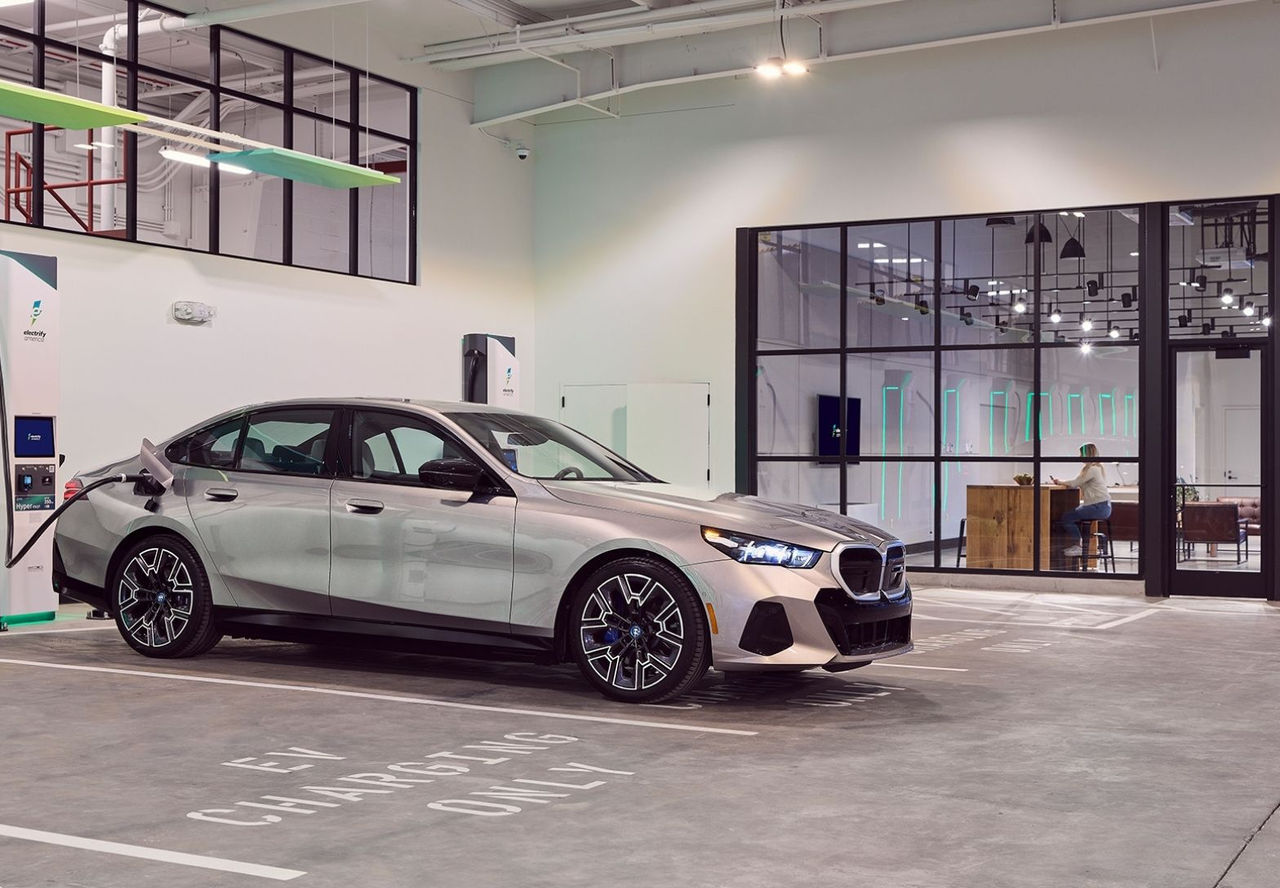
That’s the thinking behind PG&E’s new Commercial EV Engagement Series. The quarterly webinar series gives developers of commercial EV-charging sites insight into the process of connecting their projects to the electric grid.
The series also collects feedback from customers on how PG&E’s Service Planning & Design team can improve new-business processes.
“EVs are critical to meeting California’s clean-energy goals,” said Service Planning & Design Manager Roy Gillham. “As part of our commitment to those goals, we want to help commercial EV customers understand how our processes work, as well as how we can work with them to energize their projects faster.”
PG&E’s service area is already home to 838,000 EVs. That represents one in nine EVs in the United States. The company aims to energize enough EV infrastructure to have 3 million EVs on the road by 2030.
That’s where efforts including the webinars come in. The webinars are part of PG&E’s EV Power Ready Program. The program helps businesses and multifamily customers build EV charging points.
More than 150 representatives of EV-charging companies attended the first webinar in March.
‘We’re not just listening’
The March webinar focused on PG&E’s Land, Environmental and Permitting Services. The team handles permits, environmental reviews, easements and rights-of-way needed to build a new-service connection.
The Land, Environmental and Permitting Services team has recently improved its processes. It added a dedicated representative who works just with commercial EV companies. It also tracks real-time updates in permitting and entitlements for faster answers for new-business reps and customers.
Still, Service Planning & Design wanted to further demystify the new-business process. The team started with Land, Environmental and Permitting Services because feedback from customers showed confusion about how long the process should take, and what factors contribute to those timelines.
The webinar helped clarify those issues.
Attendees also shared tips on how to help them through permitting and entitlements. For example, based on their feedback, Service Planning & Design is looking at adding permitting updates to the Project Tracker on the Your Projects portal.
“We’re not just listening. We’re also acting on their feedback,” said Service Planning & Design Program Manager Nate Anderson. “If our customers have ideas for the future, or if they have issues they haven’t overcome with their working partners, we want to hear about them. One of their issues might be the next great case study for us as we continuously improve our processes.”
The team plans webinars later this year on topics including inspections and construction scheduling.
Greg Evans, a project manager with EV fast-charging station developer Revel, thanked the team for hosting the session.
“It’s great to see this commitment to customer success,” he said.
All customers benefit
Beyond the webinars, PG&E has made improvements to help new-business connections for commercial EV customers that include:
- A Customer Experience team with a dedicated EV segment to create a new-business experience tailored to EV customers’ specific needs
- FlexConnect, a program that allows projects including EV fast-charging stations to connect to the grid without waiting for capacity upgrades
- An EV Advisory Services program that provides one-on-one guidance to medium- and heavy-duty fleet operators as they transition to EVs
Though the team is always looking to improve its processes, the efforts it’s already made are paying off: PG&E has energized 41 commercial EV-charging sites in 2026, including 17 in March alone. The company plans to energize roughly 175 sites total through year’s end.
“All of our customers benefit from these new-service connections,” said Service Planning & Design Program Manager Neema Yazdi. “More charging points help more drivers decarbonize their vehicles. Adding new customers to the grid creates rate-reducing electric load growth that benefits existing customers. And encouraging EV adoption helps California achieve its clean-energy goals. We’re excited to work with commercial EV chargers to keep the progress going.”