IMPORTANT

Reports
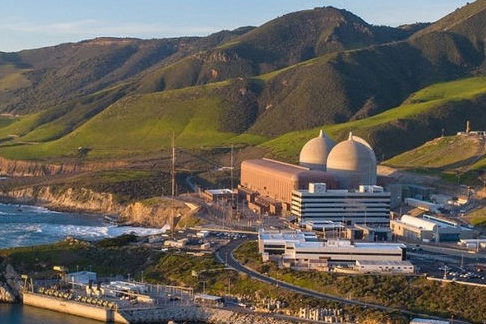
View the DCPP seismic hazard study reports.
Presentations
Access the DCPP Senior Seismic Hazard Analysis Committee (SSHAC) Level-3 project workshop presentations.
Coming soon
Available data
Access the data sets collected during DCPP SSHAC Level-3 project.
Coming soon
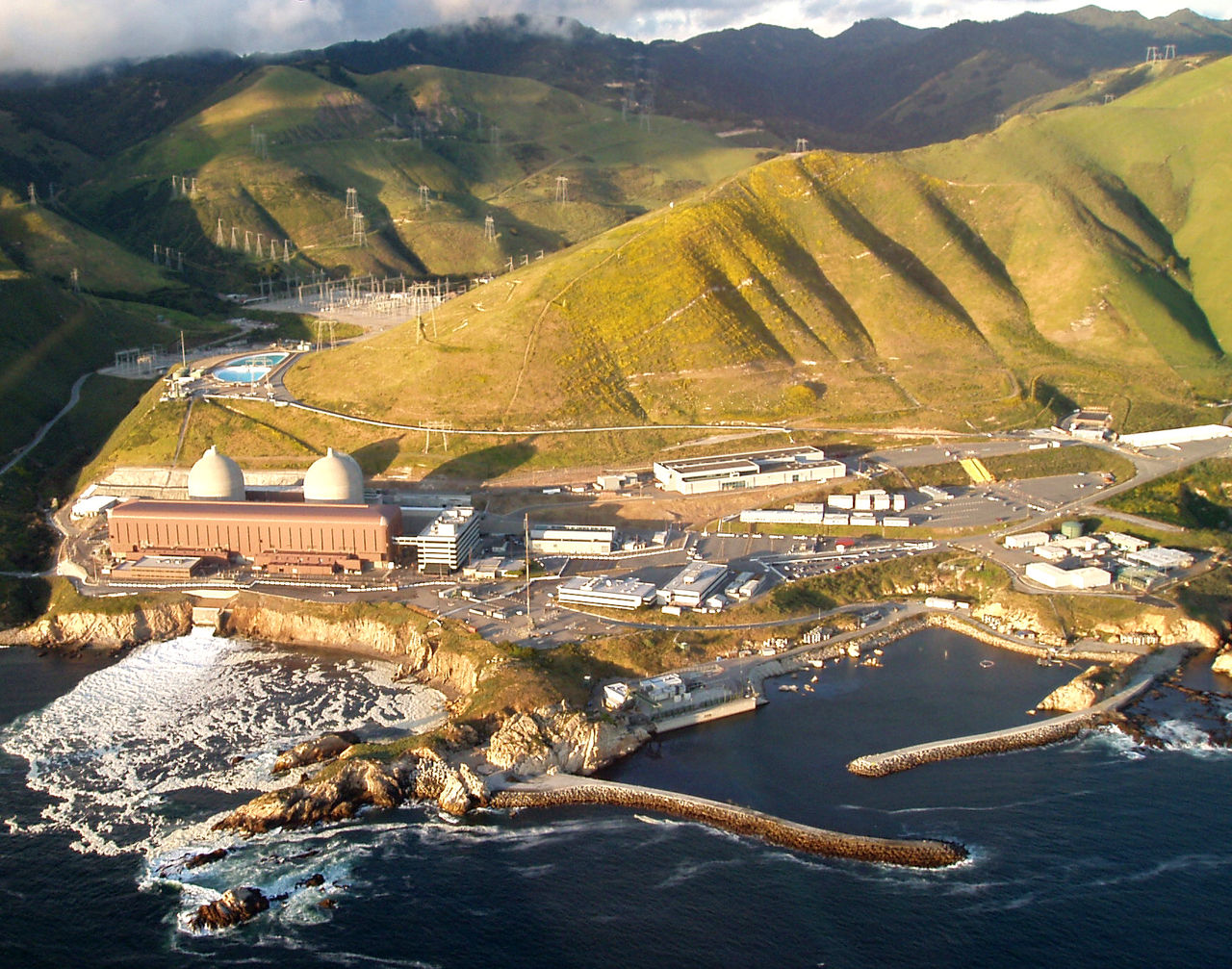
The Diablo Canyon Updated Seismic Assessment was submitted on March 6, 2024, in response to Senate Bill 846. The assessment evaluates earthquake hazards at DCPP.
Senate Bill 846 requires an updated review of seismic hazards to support plant operations beyond 2025. The assessment helps confirm that the plant continues to meet safety requirements. It supports regulatory and legislative requirements. It also supports ongoing seismic planning and public transparency.
The findings showed that DCPP has appropriate safety margins. The findings also showed that the plant can continue to operate safely and reliably.
The Seismic Probabilistic Risk Assessment (SPRA) helped evaluate earthquake safety at DCPP. The assessment used updated fault data and modern methods to evaluate earthquake risk and safety margins. The U.S. Nuclear Regulatory Commission accepted the review in 2019. The assessment completed the plant's post-Fukushima seismic review. It also established an updated baseline for evaluating risk.
In 2012, the U.S. Nuclear Regulatory Commission required nuclear power plants to update their earthquake reviews using current information. DCPP and other plants in the western United States used the SSHAC Level 3 process for this work. The process brings experts together to study earthquake risks.
- Senior Seismic Hazard Analysis Committee (SSHAC) Level 3 Study
- Seismic Source Characterization (SSC)
- SWUS Ground Motion Characterization (GMC)
- Seismic Hazard Re-evaluation Report
- 3D Velocity Model Report
- Development of Amplification Factors Report
The Senior Seismic Hazard Analysis Committee (SSHAC) Level 3 Study helps experts evaluate earthquake hazards for nuclear facilities. The study considered a wide range of scientific data and expert perspectives. It also evaluated uncertainties related to faults, earthquakes and ground shaking. Experts completed two studies for Diablo Canyon Power Plant. One focused on seismic sources and the other focused on ground motion. Together, they provided a comprehensive estimate of earthquake hazards for the site.
The Seismic Hazard Re-Evaluation Report updated the plant's earthquake hazard assessment. It built on earlier studies, including the SSHAC Level 3 Study and previous fault investigations. The report combined recent geologic, seismic and risk analysis data. This work helped evaluate whether DCPP's seismic design continued to meet safety requirements.
The 3D Velocity Model Report provides an updated view of the geologic structures beneath and around the plant. It also shows how seismic waves may travel through the area.
The Development of Amplification Factors Report studies how local ground conditions affect earthquake shaking. The report looks at how soil, sediment and rock beneath and around the plant can increase shaking.
CCCSIP studied faults near DCPP. PG&E conducted these studies after guidance from the California Energy Commission. The guidance was made in response to Assembly Bill 1632. The law directed the commission to evaluate earthquake risks at California's largest power plants. It also looked at how aging equipment could affect plant operations.
CCCSIP reports improved understanding of earthquake size, fault activity and possible ground shaking near the plant. The studies analyzed geologic data collected on land and offshore. The findings helped improve earthquake hazard studies for the plant.
The Point Buchon Report studied the Hosgri-Point Buchon fault system offshore of Diablo Canyon Power Plant. The study mapped the fault system and evaluated fault activity and earthquake potential. The findings helped improve earthquake hazard studies for the plant. The findings supported ongoing review of the plant's seismic design. They helped meet regulatory requirements and support long-term earthquake safety.
The Shoreline Fault Zone Report provided the first comprehensive study of the newly identified Shoreline Fault. The study examined the fault's characteristics and earthquake potential. The findings helped improve earthquake hazard studies for DCPP. Findings showed that the fault's maximum credible earthquake would remain within the plant's seismic design basis.
The 2011 Nodal Zland Earthquake Database collected earthquake data for the central California coast near the plant. The data helped researchers better understand faults and earthquake activity in the region.
The 2010 Shoreline Fault Zone Progress Report was PG&E's first study of the newly identified Shoreline Fault. The fault is located offshore of Diablo Canyon Power Plant. The report was submitted to the U.S. Nuclear Regulatory Commission. It shared early findings about the fault's size, location and earthquake potential. The findings showed that the fault did not exceed the plant's existing seismic design basis. The report supported regulatory transparency. It helped guide future seismic studies and evaluations.
The Safety Evaluation Report (SER) reviewed PG&E's seismic studies and engineering evaluations. The report found that both were thorough. It also found that Diablo Canyon Power Plant's design provided appropriate safety margins for earthquakes. The report endorsed the findings of the Long-Term Seismic Program findings. The report helped meet a key licensing requirement. It also helped build confidence in the plant's safety. The report also established a foundation for future seismic evaluations.
The Long-Term Seismic Program (LTSP) was a multi-year scientific and engineering effort by PG&E. The program evaluated earthquake hazards at Diablo Canyon Power Plant. The program reevaluated the plant's seismic design basis in response to requirements from the U.S. Nuclear Regulatory Commission.
The program improved understanding of:
- Earthquake potential along California's south-central coast
- Ground motion characteristics at the plant site
- Plant performance and seismic safety margins
The findings showed that Diablo Canyon Power Plant's structures, systems and components maintained appropriate safety margins.
More about DCPP
Emergency planning brochure
Be prepared for any emergency.
Emergency preparedness
Your safety is our most important responsibility.
Still have questions?
Media requests: 415-973-5930