©2026 Pacific Gas and Electric Company
IMPORTANT

Bay Area Water Heater Requirements Are Changing in 2028. Here’s What You Should Know
Date: November 16, 2026
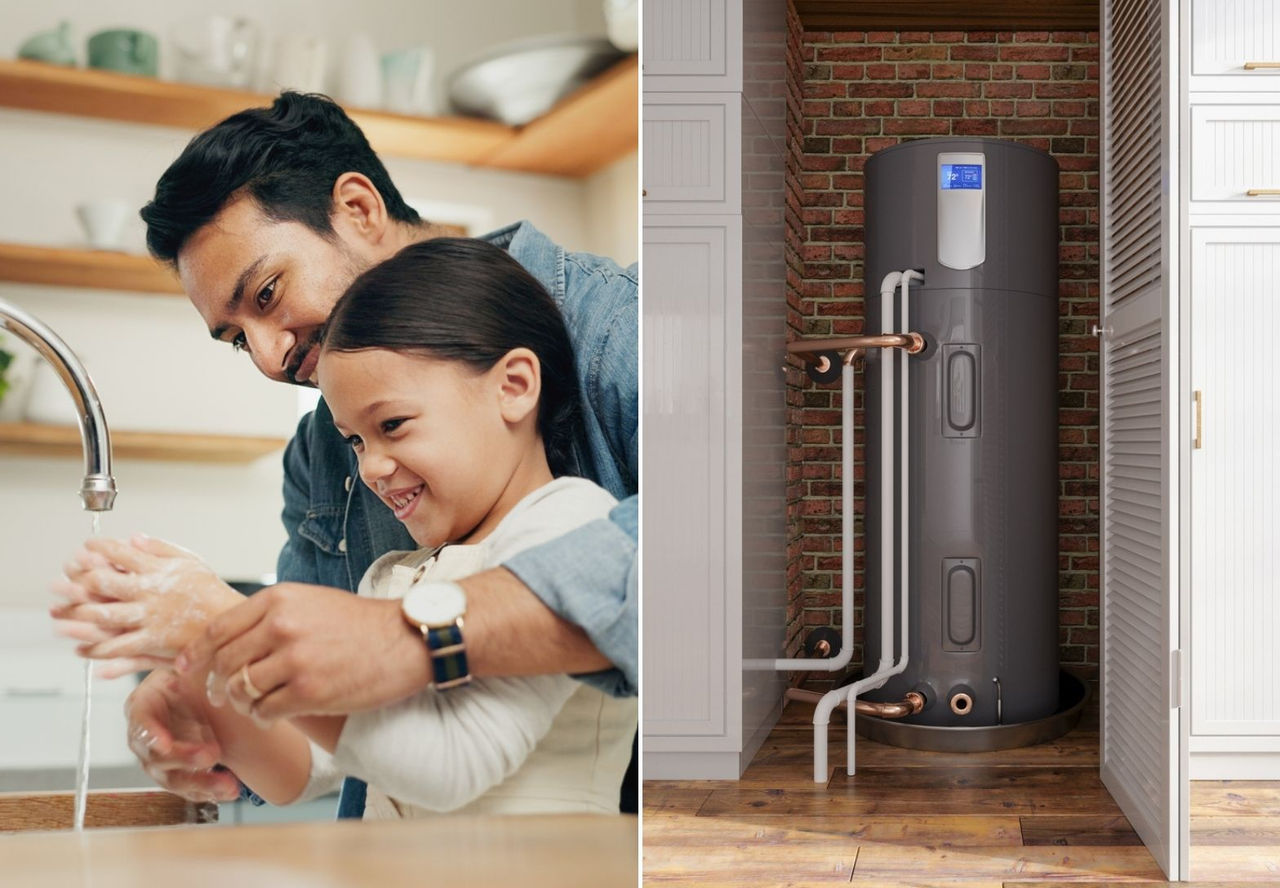
Starting Jan. 1, 2028, a Bay Area Air District rule change will affect which residential water heaters can be sold and installed in parts of the Bay Area. The rule sets zero-nitrogen oxide (NOx) requirements for water heaters. The Air District adopted the standards to reduce NOx emissions and improve air quality and public health in the Bay Area.
However, customers don’t need to replace a functional water heater. The new requirements only apply when certain water heaters need to be replaced.
The Air District, not PG&E, sets and enforces the requirements, including any exemptions. PG&E is here to help customers understand what the rules mean and to provide important information and resources for any questions about their gas or electric service.
So, what does that mean for you? We asked PG&E Gas Service Representatives, who work directly with customers in their homes and communities, to share some of the questions they’re hearing most often.
Your questions about the new water heater rules, answered.
Q. Do I need to replace my water heater now or in 2028?
No. If your water is working, you do not need to replace it. The rule applies when your gas water heater needs replacement. Starting in 2028, if your existing water heater fails, any replacement unit must meet zero-NOx emissions standard unless you qualify for an exemption due to your family income or particular challenges at your property.
For more information about what the rules do and don’t require, visit the Bay Area Air District’s Know the Facts website.
Q. What happens if my water heater breaks or needs to be replaced after 2028?
Start by talking with a licensed contractor about your options. If you are subject to the rule, you will either switch to an electric water heater or, if you qualify, obtain an exemption based on the Air District’s requirements. To review the available exemptions, visit the Air District’s summary of the rule amendments. Your contractor can help you determine which options may apply to your situation.
Q. Can I repair my current water heater instead of replacing it after these rules take effect in 2028?
The updated requirements, which take effect for water heaters manufactured after January 1, 2028, only govern the sale and installation of new water heaters. They do not prevent maintenance or repairs. However, if the appliance cannot be repaired, the updated requirements apply to its replacement.
Whether your existing water heater can be repaired depends on the specific issue with the unit. A licensed professional can help you determine whether repair or replacement is appropriate. A database of licensed and educated contractors can be found at the Switch is On.
If a replacement is necessary, PG&E has developed a list of questions to ask a home electrification contractor. The guide covers contractor licensing, panels, incentives, permits, coordination with PG&E, and project timelines.
Q. Will I need to upgrade my electrical panel to install an electric water heater?
Not necessarily. In most cases, this is not needed. It depends on your home’s size, your household’s hot water usage, and the availability of space on your electrical panel. In many cases, a 120-volt heat pump water heater, which plugs into a standard outlet, can be used with only light electrical work or none at all. If your electrical panel has available space, a 240-volt model may also be installed. However, if your panel doesn’t have enough capacity and you want a 240-volt model, a panel upgrade may be needed. You may also be able to avoid or defer a panel upgrade with specific technology solutions, such as smart panels. Consider PG&E’s PanelBoost pilot for more information. If a panel upgrade cannot be avoided, you will probably qualify for an exemption from the Air District.
A qualified contractor can evaluate your home and determine what electrical work, if any, is needed. To understand when a panel upgrade may be required and how one might be avoided, review PG&E’s guide to avoiding an electrical panel upgrade.
Q. What if my home can't easily accommodate an electric water heater?
The Air District's rule provides additional flexibility for some properties when electrical or space constraints make installing a compliant water heater difficult.
Review the Air District's summary of the adopted amendments for an overview of exemptions for properties with electrical or space limitations.
Q. What help is available if I can’t afford the cost of switching to an electric water heater?
We know affordability matters, especially when a water heater fails unexpectedly. The Air District’s amendments include an exemption for qualifying low-income property owners.
Rebates and incentives may also be available depending on the customer and project. For more information on PG&E’s incentives, visit www.pge.com/electrify. PG&E’s Clean Energy Calculator can help residential customers compare electric technologies and estimate installation costs, available incentives, potential bill changes, and rate plan options.
Programs and eligibility can vary, so customers should check what is available when they are ready to decide. Additional financial support can be found at www.switchison.org.
Q: How long could a water heater replacement take?
In most cases, heat pump water heaters can be installed in less than two days. But, it depends on the project. PG&E's contractor guide explains that project timelines can depend on factors such the number of appliances being upgraded, available electric panel space, modifications to meet building codes, and supply chain challenges. The exemptions in the rule are designed to avoid situations where extensive electrical work is required. So, most installations should be quick.
In the unlikely event that changes to your electric service are needed, PG&E provides residential project resources covering the panel-upgrade process, Express Connect and other electric-service projects.
Q. What if my water heater fails unexpectedly after January 1, 2028, and I need hot water right away?
Contact a qualified installer as soon as possible to assess the problem and find out which options can be installed quickly. The Air District’s updated rule includes allowances for temporary installations in emergency situations. To see the exemptions and emergency allowances, review the Air District’s announcement of the adopted amendments.
Have questions about the rule? Start with the Air District
The Bay Area Air District is the best source for the latest information, including what the rules cover, when they take effect, and any exceptions. Visit its “Know the Facts” resource to learn more: https://knowthefacts.baaqmd.gov/.
Planning a replacement? PG&E is here to help
You don’t need to make a change today, but planning ahead can make replacing your water heater easier.
Start by talking with a licensed contractor about what will work for your home. PG&E’s Clean Energy Calculator can help you compare costs, incentives and potential bill changes. You can also review questions to ask a contractor and learn about ways to potentially avoid an electrical panel upgrade.
If changes to your electric service are needed, visit PG&E’s Residential Project Resources to understand the process and plan your project.
PG&E is also working on zonal electrification programs in select communities. Instead of replacing gas equipment, one home at a time, these programs help groups of customers in a specific area switch to electric appliances, including water heaters. Eligibility depends on location and the specific program.
If you've been contacted about a zonal electrification program or want to learn more, visit www.pge.com/goelectric.
There's no need to rush out and replace a working water heater and the Air District requirements do not begin until 2028. For now, the best step is simply to understand what's changing. When it's time to make a change, PG&E will be here to help.