©2026 Pacific Gas and Electric Company
IMPORTANT

Does PG&E Support Plug-In Solar? Yes. But Safety and Consumer Protection Come First
Date: August 11, 2026
Whether it's groceries, housing or energy, many California families are looking for ways to stretch their household budgets and gain more control over their monthly bills.
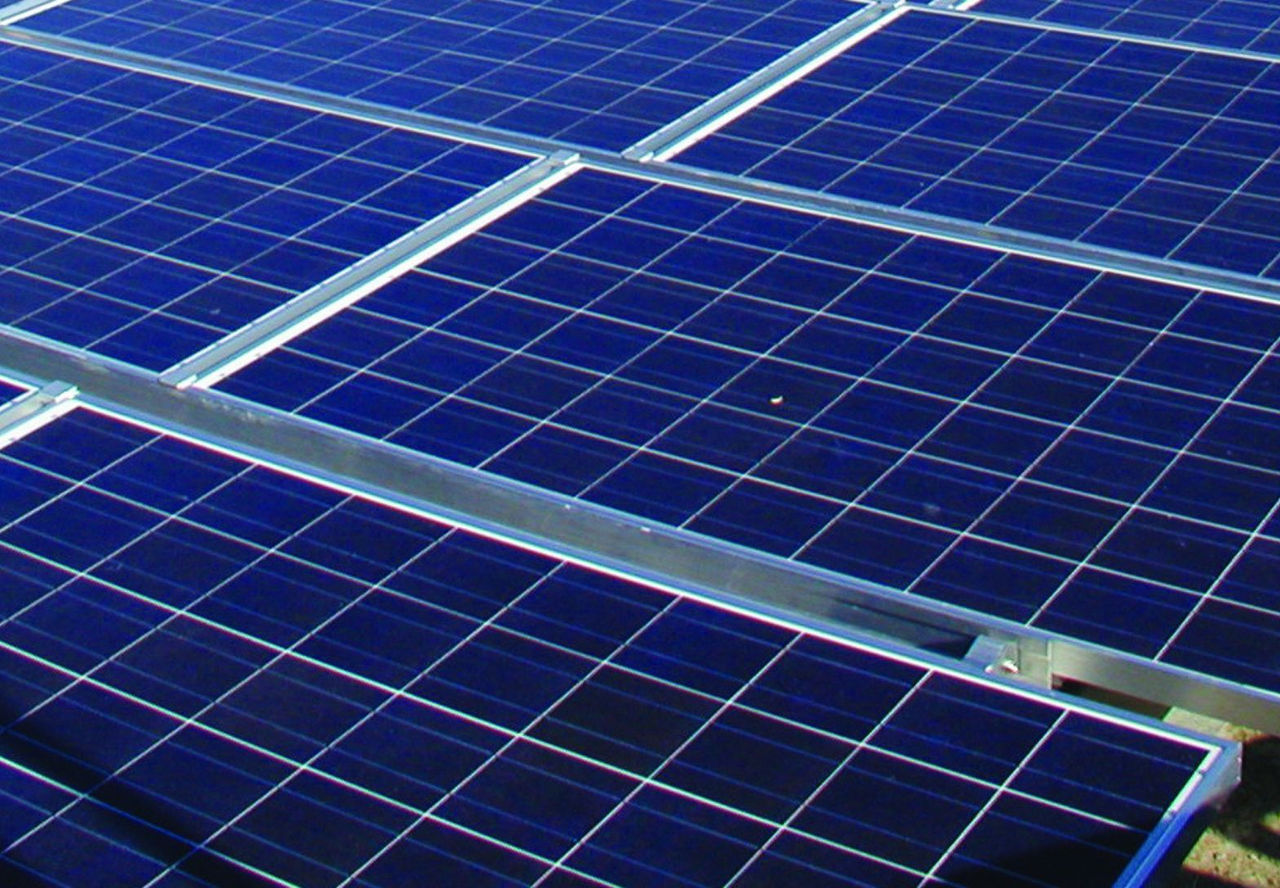
That is why PG&E supports technologies that help customers lower energy costs and access clean energy, including plug-in solar. These emerging systems could open new doors for renters, apartment residents and others who have not been able to install traditional rooftop solar.
PG&E has already helped make customer solar a reality on a historic scale. This year, we announced that we have interconnected more than 1 million customer solar systems, more than any utility in the United States. We believe customer choice and clean energy innovation are essential to California’s energy future.
But innovation works best when customers can trust it.
That means new energy technologies must be safe, certified and designed to benefit all customers, including those who cannot afford or access them.
Safety Is Not Optional
A plug-in solar device may look like a simple consumer product. It is not.
It is a power-generating device connected to a building’s electrical system. That means it must be designed, tested and certified to operate safely.
Any technology that generates electricity should use certified equipment, meet established electrical and fire safety standards and perform safely under real-world conditions. Those requirements protect customers, property owners, first responders and the utility crews who work on the electric system every day.
These safeguards are not red tape.
They are basic consumer protections.
California should not lower safety standards for devices that generate electricity simply because they are smaller, newer or easier to install.
Plug-In Solar Should Not Export Power to the Grid
Plug-in solar should help customers use less electricity from the grid, not send electricity back onto it.
That distinction matters.
California has established rules for technologies that send electricity to the grid because utilities need visibility into where power is being generated and how it may affect local circuits, transformers, grid operations and worker safety.
Without clear safeguards, thousands of plug-in devices operating across apartment buildings, multifamily housing and neighborhoods could create reliability and safety challenges that existing rules are designed to prevent.
The standard should be simple: If a device exports power to the grid, it should follow established interconnection requirements.
Affordability Must Work for Everyone
PG&E recognizes that many families are struggling with affordability challenges. We share the goal of helping customers lower their energy bills.
But affordability must work for everyone.
Many Californians cannot install solar. They may rent their homes, live in multifamily housing or lack the financial resources or physical space to invest in new energy technologies.
Those customers deserve protection, too.
Without appropriate safeguards, plug-in solar devices could create additional costs that are ultimately borne by customers who do not participate in solar programs.
That is not fair. Clean energy policies should reduce costs, not move costs from one group of customers to another.
The Path Forward
PG&E supports plug-in solar. We support customer choice. And we support expanding access to clean energy technologies for renters and other customers who have historically had fewer options.
But support for innovation should not come at the expense of safety, reliability or fairness.
The right framework is straightforward:
- Use certified equipment.
- Meet established safety standards.
- Prevent exports to the grid unless the system follows existing interconnection requirements.
- Protect customers who cannot participate from additional cost shifts.
California does not need to choose between affordability, innovation and safety.
Done right, we can have all three.
California should move quickly but not skip the safeguards that protect customers. Any legislation designed to accelerate plug-in solar adoption should meet the same common-sense standards Californians expect from every technology connected to the electric grid: certified equipment, strong safety protections, no unauthorized exports and fairness for all customers.