©2026 Pacific Gas and Electric Company
IMPORTANT

Having these documents in your emergency kit can save you from lots of additional stress in the event of an emergency. Read and share these tips below!
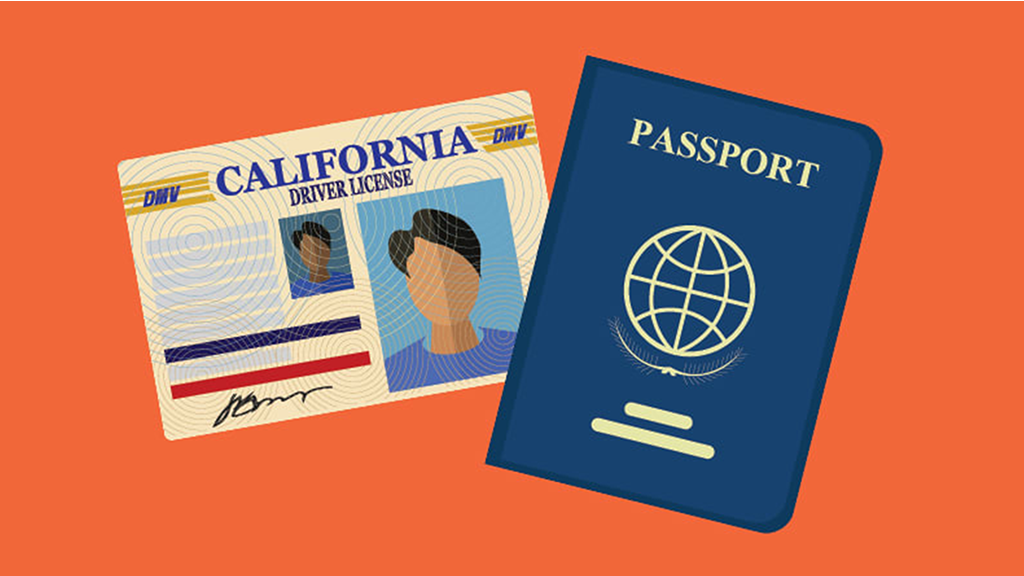
These are documents that can be used to verify your identity. Make sure your kit has:
- Birth certificates
- Driver's licenses
- Passports and Social Security cards
- Military IDs (if applicable)
- Marriage certificates
- A recent family photo (including all pets) to be used to identify separated family members
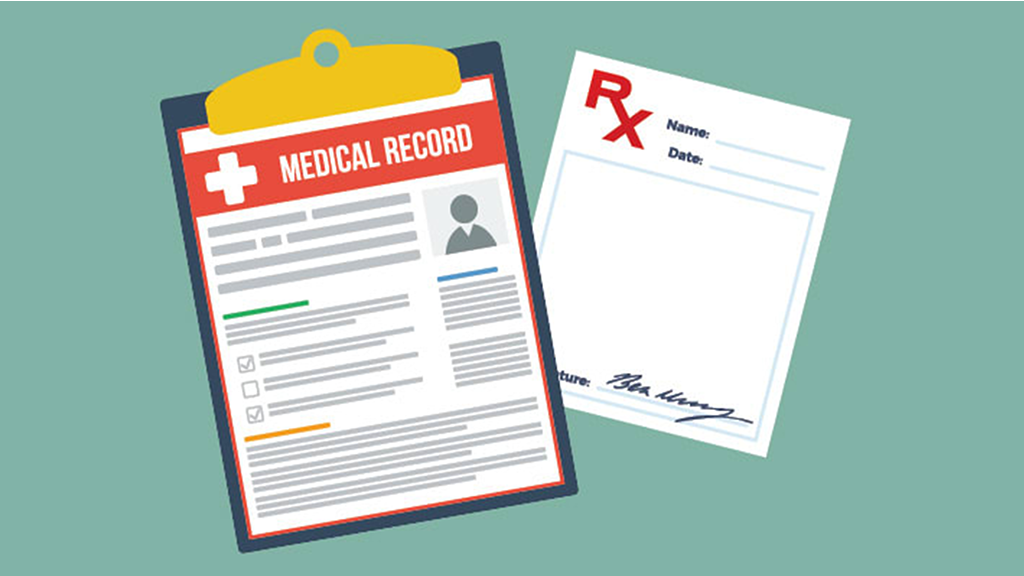
These are documents help show medical history and share with health care providers how to best assist you during an emergency. These include:
- Copies of policy numbers and insurance cards
- Crucial medical records that detail pre-existing conditions
- List of prescribed medications for each member of the family (including pets)
- Immunization records and allergy information
- Physician names and phone numbers
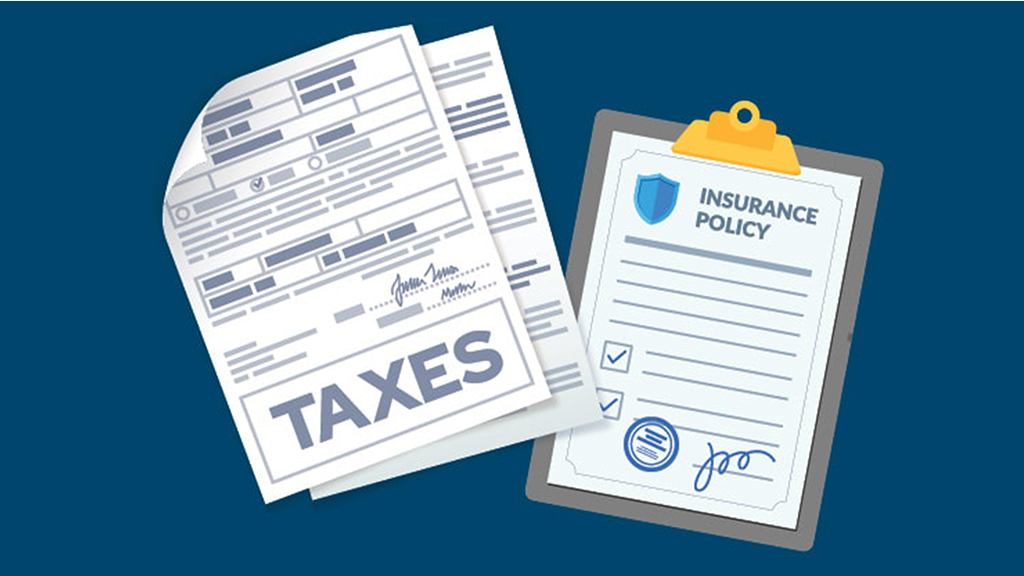
Financial documentation includes key information that can help you manage your bank accounts and other finances during an emergency. Examples include:
- Insurance information for your home, vehicles and other valuables
- Tax information that can be used to prove your income (first two pages of previous year's Federal and State tax returns)
- Current bank account information and statements, along with your bank's contact information
- Information detailing other financial obligations or commitments
Legal documents contain important legal information and demonstrate rights granted.
- Property titles and deeds
- Naturlization and citizenship documents
- Wills, power of attorney and other important legal documents

- Personal address book
- Account and contact information for utilities and other services like PG&E (1-800-743-5000
- Local non-emergency numbers for police, fire and ambulance
Note: If possible, you can reduce the number of documents included in your emergency kit by creating electronic copies of important family photos, vital documents and other precious mementos.
You can copy and password-protect files on a flash drive, locally on your computer or on a cloud-based storage service.
Remember to store your critical documents in a waterproof file case or binder
Additional resources
Take the Emergency kit quiz
To learn what else to include in your emergency supply kit, take our emergency kit quiz today
Medical Baseline Program
Support for customers who depend on power for medical needs
Download this page
You may download the content on this page for your convenience