©2026 Pacific Gas and Electric Company
IMPORTANT
When You Move Home, You Become the Family’s Emergency Planner
Date: November 10, 2026
I like to joke that I’m a “Type A-Minus” when it comes to being organized. But with my parents, I go full Type A. Like a lot of kids of immigrants, I show love through acts of service. I cook, plan appointments, and stay up way too late researching treatments. Most of the time, I try to nudge their decisions subtly rather than telling them exactly what I’d do and how to do it.
Wildfire prep is different. When I saw how little my parents had planned for an emergency, I knew I had to channel my inner boss to make some serious changes around our household. But I knew what I was up against: a phrase I hear a lot at home, ma fan (麻 烦), which roughly translates to “troublesome.” It’s what my parents reach for whenever something feels like more effort than it’s worth, and prep is exactly the kind of thing that sounds ma fan before you start. For years, I thought they were too set in their ways to do anything that felt ma fan.
When I moved back to the Bay Area to be closer to my parents, I realized that fire dangers are a unique part of life for Californians. I used to brush off air quality warnings and wildfire prep, but it got clearer every year that ignoring the issue was putting my family at risk. So I decided to stop putting it off, even though prep felt like exactly the kind of ma fan I usually dodge, too.
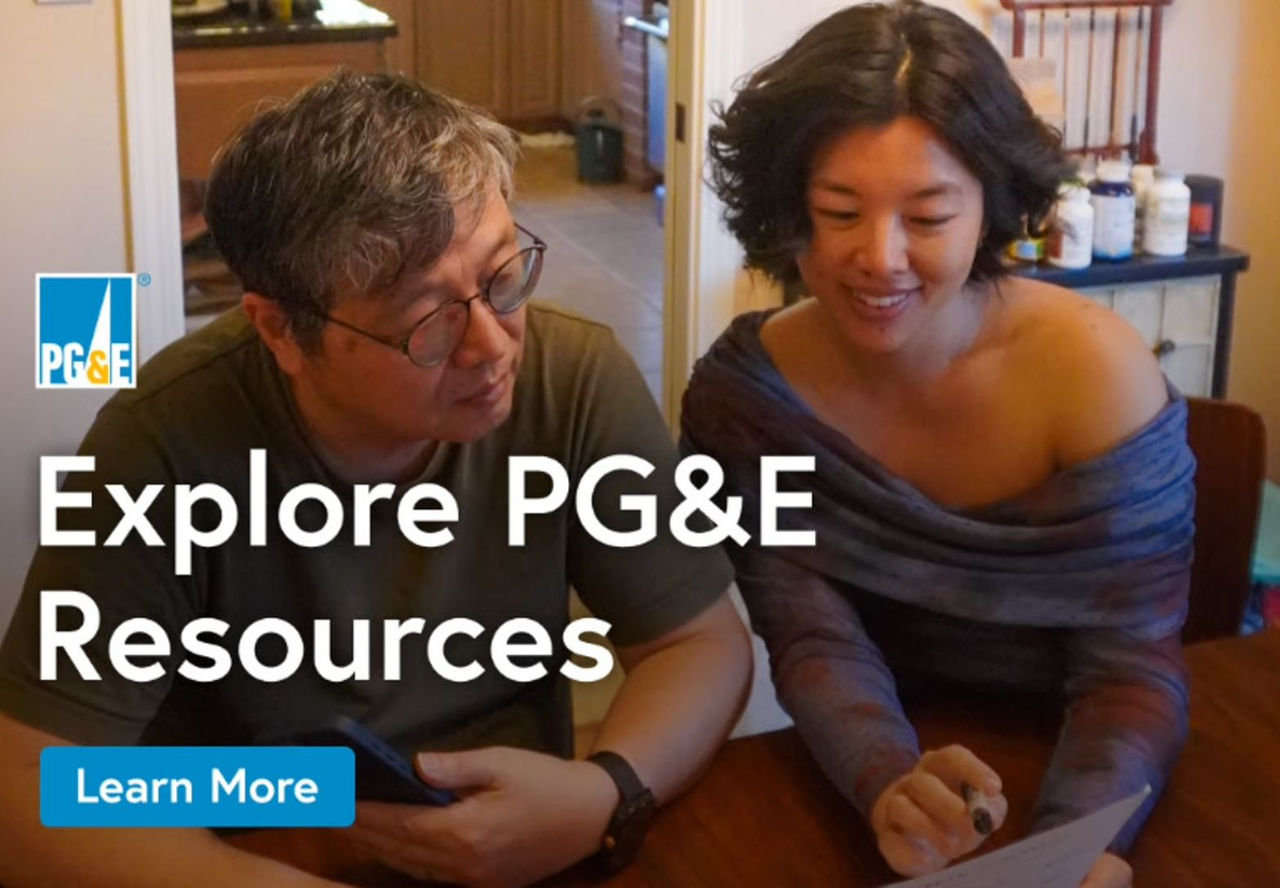
But sometimes, preparing ahead brings unexpected peace of mind. For my family, that meant spending a Sunday dinner talking about what we’d do if there was a wildfire or power outage.
Since my parents have never actually put together a wildfire plan, I made sure we sat down to come up with one together. After all, an emergency plan only works if everyone understands it. That’s where the Safety Action Center comes in! Did you know that it has wildfire safety and preparedness resources that can help families talk through these topics and make a plan that works for them? It was a helpful starting point for navigating the conversation with my parents.
Before I brought it up, I thought the hardest part would be getting my parents to take my concerns seriously. I could already imagine them saying “you’re overthinking it” or “it’s too ma fan,” and I had even crafted counterarguments in my head. But it went much smoother than I thought it would. Not only were they 100% on board, but they also thanked me for being prepared and including them.
Sometimes the hardest thing is just starting the conversation and giving people a chance to change. After we finished our prep, I realized I should give my parents more credit for being able to adapt. I also deserved some credit for having the courage to start the conversation, even if it felt a little ma fan.
Even though we worked hard on our emergency plan, I hope it’s like homework that never gets collected. I hope the emergency kit stays in the closet, and that someday we’ll look back and remember the evacuation routes we never needed. We can’t predict the future, but we can be ready.
About the author
Christy Wang is a first-generation Chinese American based in the Bay Area who shares stories about cooking, travel, family and culture, often drawing on her close relationship with her parents and her role in helping them live their best and safest lives.