©2026 Pacific Gas and Electric Company
IMPORTANT

Keeping My Emergency Plan Top of Mind With PG&E
Date: October 13, 2026
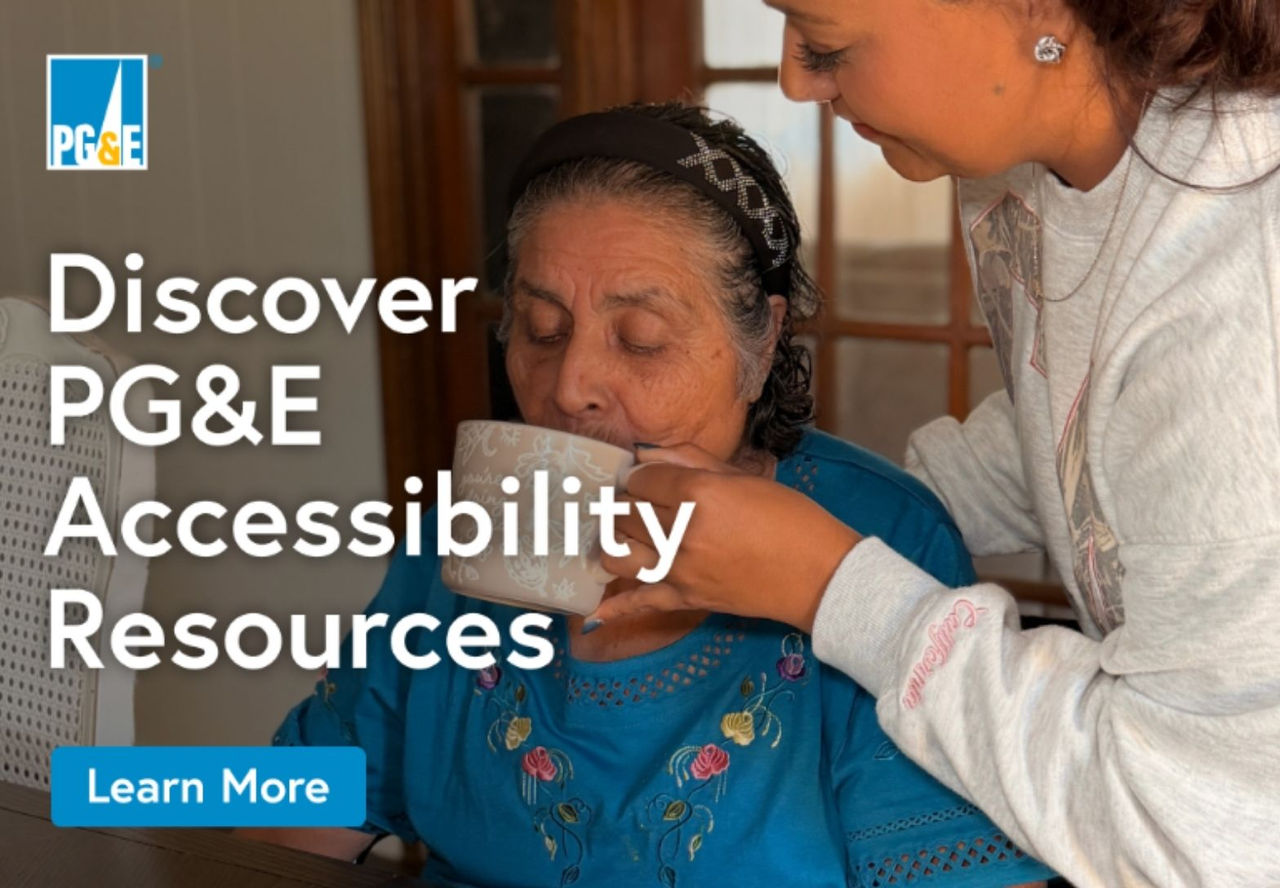
When you're caring for an aging loved one at home, you start thinking about things most people probably don't have to consider every day. Did I give her medication? Is her oxygen set up right? Does she have everything she needs next to her bed?
Lately, I've had to ask myself another question: What would I do if the power suddenly went out?
I'm a caregiver for my grandma in California, and it's now a big part of my daily life. Our mornings aren't just about breakfast, coffee, and opening the curtains. I also help her get comfortable in her hospital bed, manage her oxygen and nebulizer, and make sure her medical equipment is ready when we need it.
Our morning routine is different from most people's, and so is our emergency planning. When someone you love needs medical equipment that runs on electricity or medication that must be kept cold, a power outage is more than just an inconvenience.
Why caregiving changes the way you think about emergencies
Living in California, emergencies and power outages are part of life. One thing I’ve learned is that some outages are planned: when wildfire risk is high, PG&E may shut off the power on purpose so its equipment doesn’t spark a fire. They call it a Public Safety Power Shutoff, and it can last longer than a regular outage, which is a real concern when someone you love depends on equipment that runs on electricity.
Before I became a caregiver, I didn’t fully understand just how much planning goes into something as simple as losing power. Now, I look around my grandma’s room and see things differently. The equipment around her is all essential to keeping her safe.
211: The number all caregivers should know
211 is a free service PG&E recommends to its customers. It's available 24/7 and connects Californians to local resources before, during, and after emergencies. Depending on your needs, this can include transportation, food, shelter, and other community support. Help is available in over 200 languages, which matters a lot for us. I come from a Mexican family, so I know how language can be another barrier when you're already stressed.
During an emergency, no one should have to struggle to find help just because English isn't their first language. Knowing there's a resource for families like mine, in our own language, makes planning for emergencies much easier.
How I prepare medical equipment before outages
As a caregiver, emergency planning means thinking ahead about equipment that needs electricity. When I think about my grandma's routine during a power outage, I don't just worry about flashlights and phone chargers. I need a backup plan for the equipment she depends on, in case the power is out for a long time.
Since my grandma depends on her medical equipment, she qualifies for PG&E's Medical Baseline program, which is open to customers who rely on certain medical devices or have a qualifying condition, no matter their income. Signing up lets PG&E know our household needs extra help during outages, and it's often the first step to other support, like the Portable Battery Program. This program gives eligible people backup batteries for medical devices, assistive technology, and other equipment during outages. For caregivers like me, the main lesson is to start asking questions and preparing before the lights go out.
Here are some ways I recommend staying prepared as a caregiver:
- Take the time to learn about the resources available to you and your family.
- Keep important phone numbers somewhere easy to find.
- Make a list of the equipment your loved one relies on.
- Know which medications need refrigeration.
- Keep all essential supplies together.
- Talk with your loved one's healthcare providers about emergency planning for their specific medical needs.
- Finally, keep all this information in a folder or binder so you can find it easily.
Every small step you take can make a stressful situation easier to handle.
Why caregiving is about thinking ahead
Through this experience, I've learned that a lot of caregiving happens before your loved one ever needs help.
It's getting medications ready ahead of time. It's keeping supplies stocked. It's making sure everything they need is within reach before you leave the room. Being prepared for emergencies is just another way to show that same love and care. I can't control when an outage or emergency happens, but I can control how prepared I am and whether I know where to find help if I need it.
If you care for a parent, grandparent, child, or anyone who might need extra help during an emergency, I encourage you to take a few minutes to learn about the resources available. Hopefully, you'll never need them, but knowing what they are and where to find them can make a big difference for your family in an emergency.
About the author
Vicky Pace is a lifestyle and motherhood creator whose content draws on her own experience caring for her grandparents, with a focus on family, caregiving and the everyday planning that keeps loved ones safe and supported.