©2026 Pacific Gas and Electric Company
IMPORTANT

PG&E’s Community Advocate Summit Is About Delivering For Our Hometowns
Date: October 20, 2026
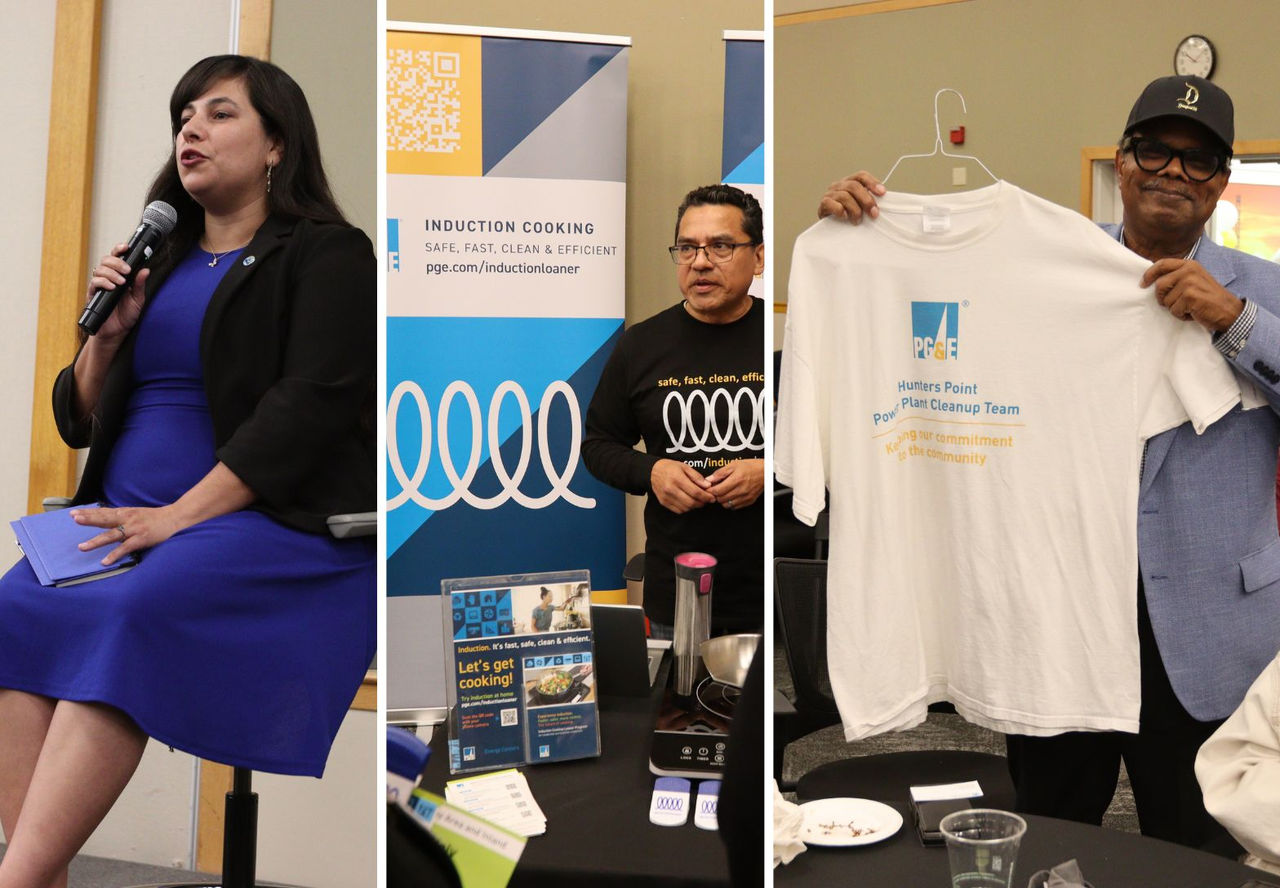
Back in the late 1990s, James Bryant was asked by then-San Francisco Mayor Willie Brown to assist in the removal of PG&E’s Hunters Point Power Plant. Bryant, an active member of the Bayview-Hunters Point business community, would spend nearly two decades supporting the decommissioning of the more than 70-year-old plant.
Part of his charge was making sure PG&E and the contractors working on the plant removal hired 30% of the project workers from Bayview-Hunters Point.
“I made sure they were held accountable,” said Bryant, who’s now CEO of JRB Partners. “It was the most successful program San Francisco ever had. Many folks got jobs. Most of those people are still working, either in San Francisco or in the Bay Area. And the 30% local hire requirement is now law in San Francisco.”
Why did that happen? Successful collaboration between a utility company, community business leaders and businesses.
More than three decades later, this formula for success has stood the test of time. That’s why PG&E recently played host to the second annual Community Advocate Summit at the San Ramon Valley Conference Center.
This event brought together dozens of local agencies, non-profits, community organizations and other key PG&E stakeholders for networking, speakers and panel discussions. Attendees shared stories of support for customers in their communities. They also learned about the multitude of programs, services and community partners who help PG&E deliver for our hometowns.
“Influential community members have the pulse on what’s going on in their communities,” said Tony Walls, PG&E Sonoma/North Bay Division regional senior manager. “We want to share the improvements we’re making in our system and how we’re addressing the challenges they’re experiencing.”
The event was beneficial for Faith Bautista, the CEO and founder of the National Diversity Coalition, a non-profit that advocates for economic equality, financial empowerment and social responsibility in minority and low-to-moderate income communities.
“There are so many unbelievable resources at PG&E,” said Bautista. “There’s an unbelievable amount of information and PG&E coworkers with a big heart who are there to share the resources. The more this event is held, more people will learn there’s a lot of resources, low income and subsidized government programs available to them.”
“There’s lots of ideas being traded here about how we can all do our jobs better,” said Tom Knox of Valley Clean Air Now. Knox’s company is dedicated to finding cost effective ways to help lower income people and disadvantaged communities save money on their home energy bills.
“PG&E is a really important partner for us to have,” added Knox. “We all do what we’re best at and who wins are the local residents. Otherwise, they’d be least likely to get incentives and other resources needed to lower their monthly costs.”
This work benefits everyone—from vulnerable communities to the community-based organizations that support them and beyond.
“I saw so many people who hadn’t worked for generations and who had lived in compromised housing,” said Bryant. “They (PG&E and companies) joined with us to make an impossible feat possible. It was to make people productive. It was one of the greatest moments of my life.”