©2026 Pacific Gas and Electric Company
IMPORTANT

Can Solar Help Support the Grid After Dark?
Date: November 13, 2026
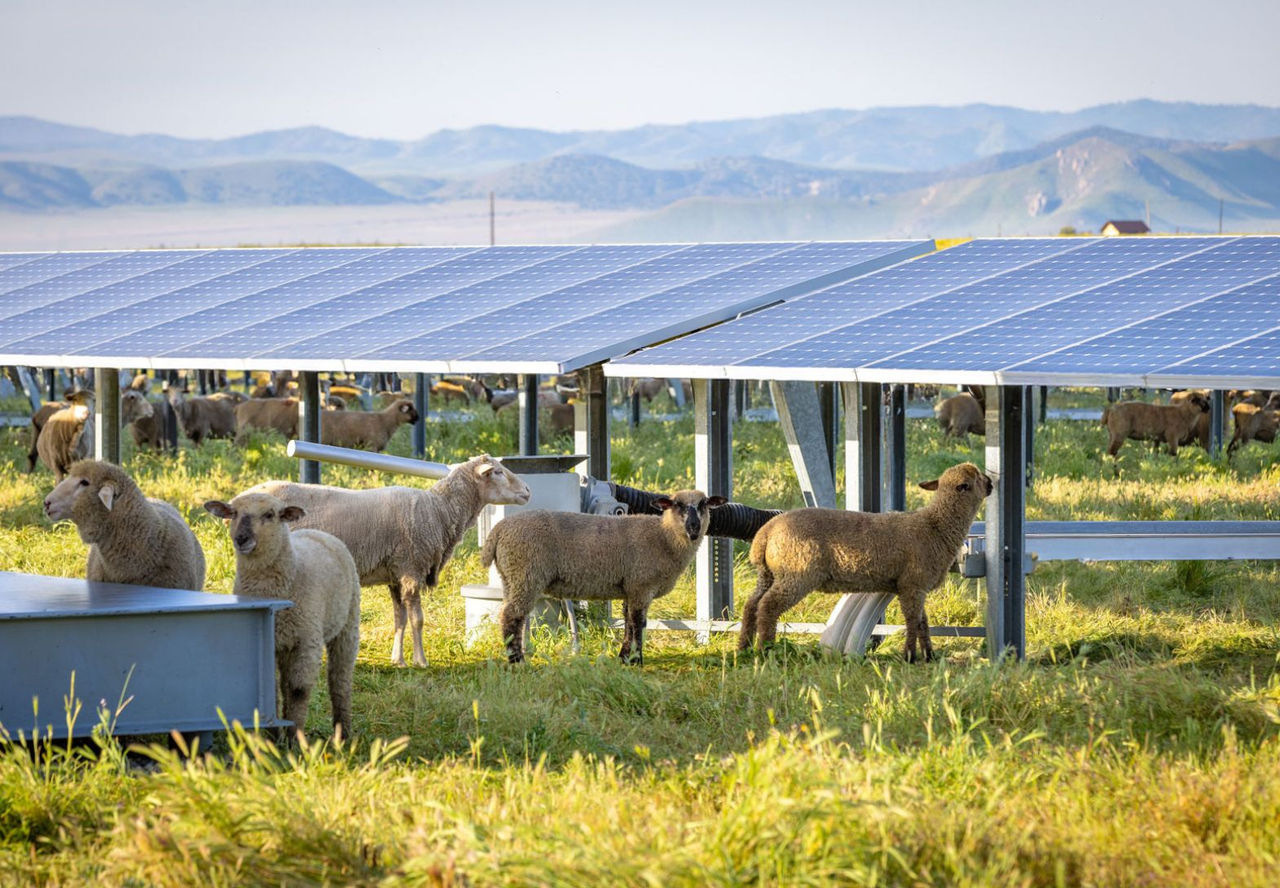
When most people think about solar energy, they think about electricity being generated when the sun is shining. But what if a solar power plant could continue helping the electric grid after sunset?
PG&E and Clearway Energy are demonstrating a new way to do just that.
Through a recently launched agreement involving California Valley Solar Ranch (CVSR), one of California's largest utility-scale solar facilities, the partners are showing how existing solar equipment can help support grid reliability even when the plant is not generating electricity.
CVSR is located in the remote Carrizo Plain region of eastern San Luis Obispo County, about 60 miles east of San Luis Obispo and west of Bakersfield. The facility sits within one of California's most expansive inland landscapes, an area known for its open grasslands, agriculture and renewable energy resources.
Using inverter technology already installed at the site, CVSR can provide reactive power support, a behind-the-scenes service that helps PG&E maintain healthy voltage levels and deliver reliable electric service, even when the solar facility is not generating electricity.
The arrangement creates benefits on both sides: PG&E can tap equipment that's already connected to the grid for needed voltage support, while the solar facility gains an additional revenue opportunity by providing a valuable grid service during hours when it isn't generating solar power.
"Innovation isn't always about building something new. Sometimes it's about finding new value in infrastructure that's already connected to the grid," said Rod Robinson, vice president of Electric System Operations at PG&E. "This project demonstrates how partnerships and technology can unlock new capabilities that help support reliability and operational flexibility."
CVSR is a 250-megawatt solar facility spanning roughly 2,000 acres and began full commercial operation in 2013. At the time it was completed, it was recognized as one of the largest photovoltaic solar power plants in the world and remains one of the largest utility-scale solar facilities in California. The project generates enough electricity to serve approximately 100,000 homes annually and was among the early large-scale solar projects that helped establish California's leadership in renewable energy.
"This agreement is a good example of what our existing fleet is capable of beyond generating power during daylight hours," said Drew Worts, vice president of Operations at Clearway. "CVSR's inverters were already providing voltage support during the day, and now we're putting that capability to work for the grid around the clock. It's a meaningful step in how we expand the reliability value of our solar assets."
Turning an operational insight into a new reliability tool
The idea began when PG&E grid operators identified a need for additional voltage support in the Los Padres area and recognized that solar inverters already connected nearby might be able to help in managing reactive power.
Reactive power is a bit like water pressure in a plumbing system. The water is what comes out of the faucet and does the useful work, but the right amount of pressure is needed to move that water where it needs to go. In the same way, reactive power doesn't directly power the lights or appliances, but it helps maintain the voltage needed to move electricity safely and reliably across the grid.
Brian Soest, a supervisor in PG&E Grid Operations, began pursuing the idea and pitched it to Quinn Nakayama, senior director of Grid Research, Innovation and Development at PG&E, in February 2024. What sounded straightforward, using equipment already connected to the grid in a new way, ultimately required sustained coordination and problem-solving to turn the concept into an operational solution.
Nakayama and his team helped explore how an existing solar facility could provide the service using equipment already connected and available. Clearway Energy then worked with PG&E to put the idea into practice at CVSR.
"This started with looking closely at the system and asking whether solar inverters already in the area could help provide the voltage support we needed," Soest said. "Clearway was willing to explore the idea with us, and together we found a way to put an existing resource to work in a new way."
How can a solar facility help when it's not generating electricity?
Most customers never think about voltage, and that's a good thing. Keeping voltage levels stable is one of the many behind-the-scenes jobs required to deliver safe and reliable power.
The same inverters that convert solar energy into electricity during the day can also help regulate voltage on the grid. Even after the sun goes down and the solar panels stop producing electricity, those inverters can remain available to support grid operations when needed.
That creates an opportunity to get more value from equipment that's already there: PG&E gains another tool for managing grid reliability, while participating renewable energy operators can potentially earn revenue from their assets beyond the electricity they generate.
Why does this matter?
California's electric system is evolving as more solar, wind and battery resources connect to the grid. Finding ways to get more value from existing infrastructure can help support reliability while reducing the need for additional equipment.
PG&E estimates that solar, battery and other inverter-based resources already connected to the grid could provide voltage support that would otherwise require billions of dollars' worth of dedicated infrastructure. While each location must be evaluated individually, the opportunity highlights how existing clean energy resources may be able to do more than simply generate or store electricity. The longer-term opportunity could be even bigger. If services like these can participate more broadly in California's energy markets, existing inverter-based resources could compete to provide grid support, creating new revenue opportunities for renewable energy operators while potentially lowering the cost of obtaining those services for customers.
The CVSR project could also serve as a model for evaluating similar opportunities elsewhere on the PG&E system and across California.
What does this mean for customers?
Customers count on safe and reliable electric service every day. Projects like this help PG&E and its partners explore practical ways to support the grid while making better use of infrastructure that is already in place.
For customers, the promise is straightforward: get more value from assets that are already connected to the grid. The solar facility gets an opportunity to provide an additional service, PG&E gains another reliability resource, and greater competition for those services could ultimately help keep costs lower than they otherwise might be.
The same technology that helps deliver solar energy during the day may also be able to support grid reliability after dark. By finding new ways to use existing clean energy resources, PG&E and its partners are helping build a more flexible, resilient and cost-effective electric system for the future.