©2026 Pacific Gas and Electric Company
IMPORTANT

Behind the Plug: Powering a Major New Bay Area Charging Depot
Date: November 12, 2026
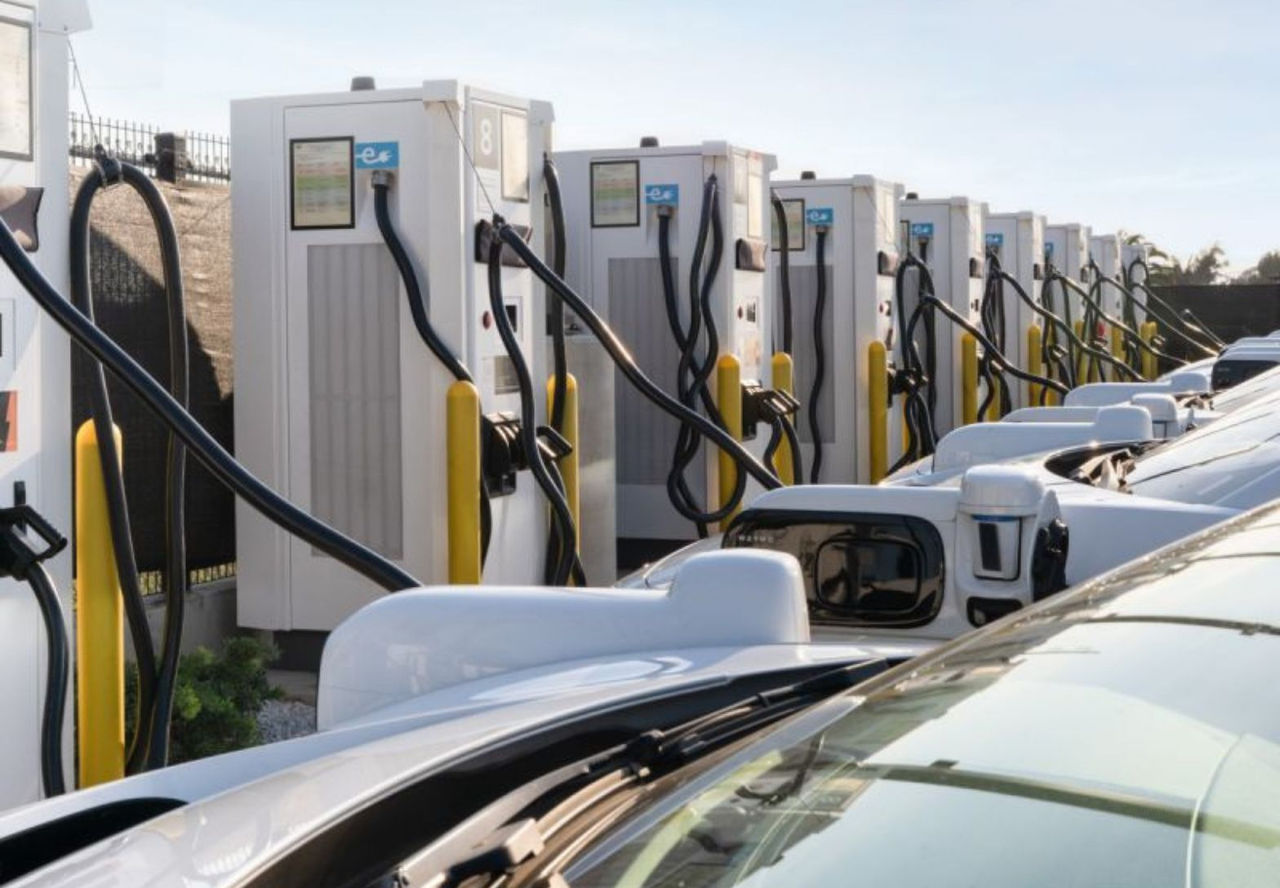
A new charging depot in South San Francisco, near San Francisco International Airport, will bring nearly 7 megawatts of new charging capacity online. This could charge up to 1,000 vehicles a day.
Why it matters: Getting that much power to a new site takes close coordination. PG&E worked closely with Terawatt Infrastructure as the company developed the depot, helping bring a major transportation electrification project online faster.
By the numbers:
- Capacity to charge up to 1,000 vehicles a day
- 10 months from property acquisition to full energization
- 5 months shaved off the project timeline
Why it matters: Big electric fleets need a lot of power. PG&E worked closely with Terawatt to help get the site powered five months faster than originally planned.
“Fleet electrification is growing quickly, and our job is to make sure the grid is ready to support it safely, reliably and efficiently,” said Jason Glickman, executive vice president, Strategy and Growth at PG&E. “By accelerating this project with customers like Terawatt, we’re able to plan for large-scale charging needs, streamline interconnections, and get the infrastructure in place to support their growth.”
In plain English: Projects like this require a lot of power. Close coordination between PG&E and Terawatt helped get the charging depot connected sooner.
Zoom out: To meet Terawatt’s timeline, PG&E managed the service connection process using the Customer Delivery team’s Work Plan Date and Planned Customer Readiness Date scheduling model. The approach allowed Customer Delivery to align project execution with Terawatt’s needs and resulted in power to the site ahead of Terawatt’s target date. That was no easy feat, considering the work required more than 300 traffic control hours and nearly 1,200 construction hours to complete.
The job required significant electric assets as well. For total capacity to serve 40 DC fast chargers, PG&E installed 8.4 megawatts, which is equivalent to roughly 12,200 California homes’ average monthly electricity demand, according to statistics from the U.S. Energy Information Administration. To serve the demand, PG&E installed two of the largest transformers in the company’s inventory, as well as 480 feet of primary cable and 110 feet of secondary or service cable. Two joint power poles were installed as well.
The bottom line: This is the work behind the plug. PG&E and Terawatt worked together to bring major new charging capacity online in the Bay Area faster than originally planned.