©2026 Pacific Gas and Electric Company
IMPORTANT

A $30,000 Truck That Can Power Your Home: PG&E Helps Ford Get It Plugged In
Date: October 27, 2026
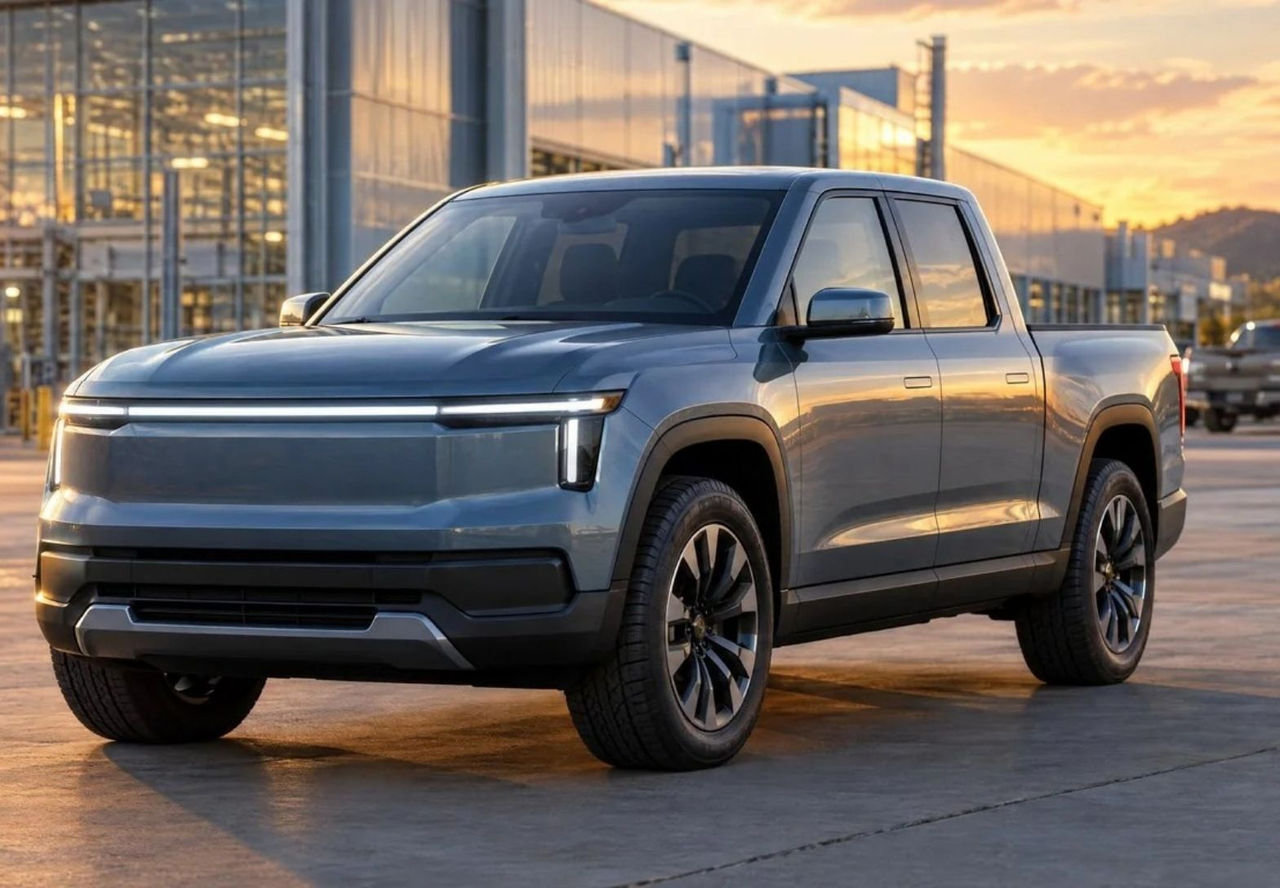
The power just went out. But thanks to the truck in your driveway, your fridge is humming, your phone is charging and your lights are still on.
Ford announced this week that its all-new Fathom mid-size electric truck will be the first EV under $30,000 from a major automaker to offer bidirectional power when it arrives in 2027.
("Bidirectional" means power flows both ways. The truck can charge from your home, and your home can draw power from the truck.)
Why it matters to customers
- Backup power: Ford’s Fathom can power your home during an outage. It's a clean, quiet alternative to gas or diesel generators.
- Potential savings: You can charge when electricity costs less and power your home from the truck when it costs more.
- Lower cost: Ford built the key equipment into the truck. Its Home Power Station costs about half as much as Ford's Charge Station Pro, and the backup bundle costs at least 60% less than the earlier version.
Where PG&E comes in: Affordable trucks are only half the equation. Customers also need a simple way to connect them to the grid.
- In July 2026, Ford formed a utility working group with five utilities: American Electric Power, BC Hydro, Consumers Energy, Exelon and PG&E.
- PG&E already gives customers a way to connect bidirectional EVs to the grid through its Vehicle-to-Everything program.
The working group's three principles
- Recognize differences: Customers who only charge, or only use backup power while disconnected from the grid, shouldn't need grid-connection approval.
- Anticipate change: Update the rules for the latest bidirectional charging standards.
- Solve together: Utilities, regulators and automakers should work on this together.
What we’re saying: “Ford’s new Fathom truck is one example what's gaining traction in the residential space because of its affordability,” said Kristin Landry, PG&E’s product manager in vehicle-to-grid implementation.
The bottom line: Using an EV as a home battery used to be a luxury feature. Ford and PG&E are working to make it an everyday option for more families.
Go deeper: Read Ford’s “From the Road.”