©2026 Pacific Gas and Electric Company
IMPORTANT

San Jose Pilot Helps Customers Make the Switch to Electric Water Heaters
Date: September 23, 2026
Making the switch to electric should be easy, fast and affordable.
But for many homeowners, it isn’t.
Upfront costs, permits, contractor selection and concerns about electrical upgrades can make anyone feel overwhelmed.
That's exactly what PG&E is working to change. Through a recently launched San Jose Heat Pump Water Heater Program, the switch is easier, faster and more affordable.
"We got a really good deal, the rebates they offered covered about 60% of the cost of the system," said San Jose resident and program participant Mark Kelley.
Kelley is one of 28 customers who installed an electric heat pump water heater through the pilot. The program is the result of a partnership between Rewiring America, PG&E, San Jose Clean Energy, Larratt Brothers Plumbing, and local leaders and community partners. It combines rebates, 0% financing and installation support to help make electrification more affordable and accessible.
"If it wasn't for the program and the simplified process, would you have gone the electrification route?" Kelley was asked. "No, I would have probably gone two blocks down the street to Home Depot to get an $800 gas water heater," he responded.
The average installation cost for an electric heat pump water heater is about $6,800. But through San Jose Clean Energy's $3,000 EcoHome rebate and fixed installation pricing customers paid about $3,000. That makes the cost comparable to replacing a traditional gas water heater. In total, San Jose Clean Energy provided more than $60,000 in rebates to 28 San Jose households.
Speed was addressed through the program’s streamlined process, which allowed many installations to be completed in less than six hours.
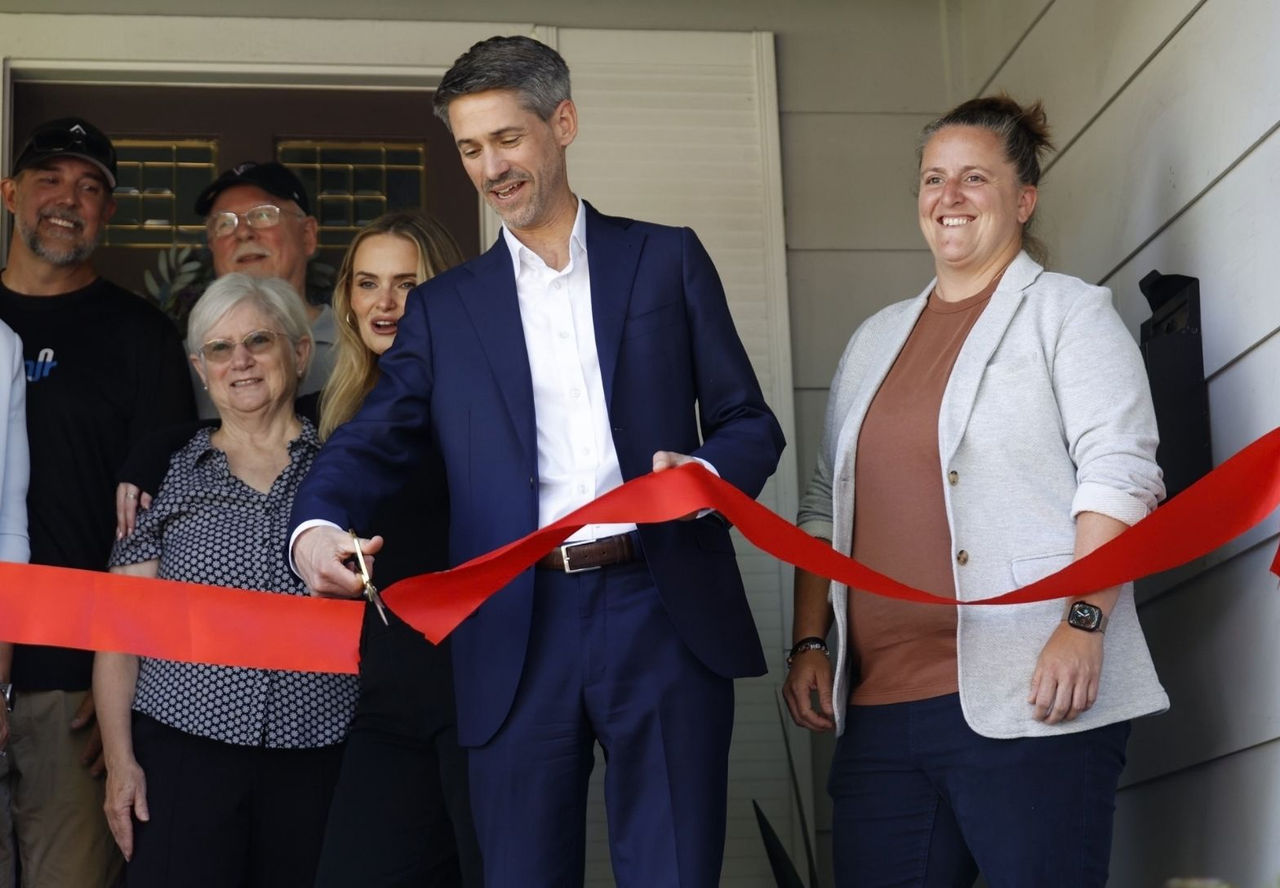
San Jose Mayor Matt Mahan and partners came together to celebrate those results and mark the program's success through a ribbon cutting at Kelley's house.
"We need to go through this energy transition, we need to be able to maintain our high quality of life and all the amenities we're used to… while having a sustainable environment," said Mahan. "There’s a lot at stake here, but the truth is, we're not going to achieve the energy transition that we need if we ask people to be worse off or poorer as a result. And that’s why pilots like this are so important."
One of the most important lessons from the pilot was that customers could make the switch without an electrical panel upgrade, saving them another $1,200 to $5,700 in installation costs. The units that were installed feature advanced technology designed to work with a home's existing electrical system.
"This is an exciting demonstration that we don’t have to choose," added Mahan. "We don’t have to choose between more efficient modern appliances, that allow us to execute this energy transition that we need, and affordability."
Heat pump water heaters are two to four times more efficient than conventional gas or electric resistance water heaters because they move heat rather than generate it, which can also help households save on their energy bill.
"Through this pilot, we identified ways to speed up installations and avoid costly electrical upgrades," said Lydia Krefta, PG&E's senior director of Electrification, Decarbonization and Mobility. "We also saw how important it is for our customers to have trusted guidance throughout the process. That support gives them confidence to make the switch and helps us understand how to scale these solutions for more customers."
Scaling this program is what's next.
Krefta and her team are already looking at how to further simplify adoption and remove barriers for customers. The goal: build on what worked in San Jose and make the switch the easier choice.