©2026 Pacific Gas and Electric Company
IMPORTANT

Wait Times Down, Customer Satisfaction Up with New-Service Application Reforms
Date: December 18, 2025
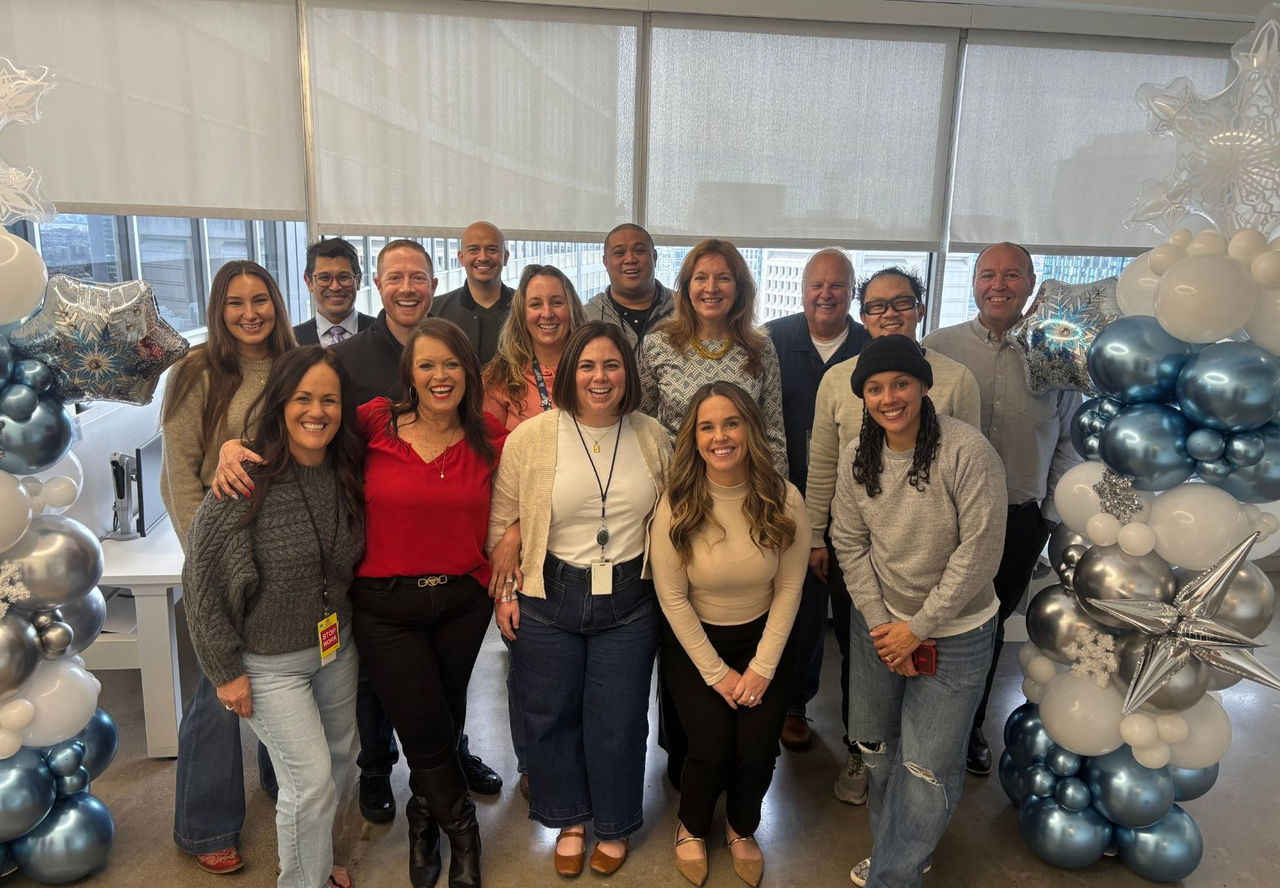
PG&E is celebrating a major win for customers and coworkers alike.
The company’s Service Planning & Design team gathered on Dec. 3 to recognize coworkers’ efforts to reduce the time it takes for customers to apply for a new-service connection.
The old process averaged about 90 days—a frustrating wait for customers eager to get started.
Under the leadership of Director Nina Bubnova, Service Planning & Design launched its Intake Reimagine Initiative in 2024.
“As our organization grew and the amount of business we were handling increased, we realized our processes had the potential to be streamlined,” Bubnova said. “Our goal was to reduce or eliminate roadblocks and delays.”
Bubnova’s team set an ambitious target: Finish application intake within 45 business days for at least 95% of applications.
Beyond serving customers as efficiently as possible, the goal also aligned with the state’s strict, new energization requirements.
The team achieved its mission.
By late 2025, PG&E had cut application intake time 40%, from a 2023 average of 76 calendar days to just 45 calendar days. The team also reached 96% compliance with new energization timelines, months ahead of the required compliance date.
Customers have noticed the difference, with required documents down 51%, fewer complaints, and satisfaction scores soaring to 8.7 out of 10 on surveys.
“Among the stands we’re working to achieve is that it is enjoyable to work with and for PG&E,” Bubnova said. “Our Intake Reimagine Initiative has increased joy at work for our Service Planning team and is helping us help customers finish their projects more quickly and efficiently.”
Finding new efficiencies
The Intake Reimagine Initiative began with an in-depth look at inefficiencies. Guided by Lean operating principles, the team redesigned its processes.
They developed standard work to gather customer information and create pre-design packages. New fact sheets and documents that list projects’ gas or electric needs made requirements crystal clear.
Also, customers didn’t always know what documents they needed to support their application. There, the team saw the opportunity to improve coworker training and provide added guidance on how to help customers.
They also saw the opportunity to streamline project handoffs between teams with a new process called direct assignment.
In the spring, the team began testing direct assignment in its San Francisco, Sonoma, Los Padres and Sierra divisions.
By July, compliance with energization timelines had jumped to 96% in the application-intake phase, compared to 49% outside the pilot.
Service Planning & Design Manager Alayna Vierra said customers in pilot divisions also reported fewer application issues.
Coworkers are praising the changes.
“Direct assignment has been a huge benefit,” said Caitlin Paulo, a PG&E senior new-business rep in San Francisco. “There are far more pros than cons.”
Paulo cited improved relationship-building with customers “from start to finish.” Local new-business reps can give customers overall requirements upfront to allow as much time as possible to gather project documentation.
Jerry Wen, a new-business rep in Salinas (Monterey County), said customers benefit from the local knowledge that comes with direct assignment.
The new process “can make a big difference in a project by the time we submit the job package to estimating,” Wen said.
There have been no job cuts with direct assignment.
The 37 coworkers on the application-verification team moved into roles as new business representatives in local Service Planning or Express Connections, which handles residential quick-connect projects.
Ilijah Liston switched in June from application verification to local Service Planning in Oakland.
Instead of screening applications and handing them off to local service planners, Liston experiences the new-service process from start to finish.
“It’s a great opportunity to learn,” he said.
Customers seem to appreciate the difference as well.
“Customers really like that they’re getting directly assigned to local service planners,” Liston said. “They’re more comfortable knowing their service planner can visit the site and meet them in person.”
He added that additional upgrades to the application portal and processes will only improve.
“It’s already an amazing tool. I think as people continue to get comfortable with it, they will look back and think, ‘How did we do this before?’”
Training and engagement
The Intake Reimagine team took other big steps to improve customer service.
They published fresh intake guidance documents in the Technical Information Library, with updated standards to match new processes.
Training was vital as well. Nearly 300 coworkers received in-person training across PG&E’s service area in 2024. Specialized sessions focused on the Service Planning and Associate Distribution Engineering teams.
Stakeholder engagement was also key. Workshops and meetings kept teams that work with and support Service Planning & Design aligned on technology, job package requirements and change management.
On top of reducing intake times by 40% and meeting state energization timelines ahead of schedule, the team’s work improved operational efficiency to the tune of $8 million in annual savings to support PG&E’s commitment to stabilize customer rates.
The Intake Reimagine Initiative is now a benchmark for operational excellence and implementation of Lean principles.
In their Dec. 3 celebration, PG&E recognized coworkers for their leadership in training and implementation.
“This was about more than speed—it was about clarity, consistency, and collaboration,” Bubnova said. “We’ve built a foundation for compliance and excellent customer service.”