©2026 Pacific Gas and Electric Company
IMPORTANT

If you live along along a coast, then you and those you know should take the time to prepare for a Tsunami. Share these tips and stay safe! The threat of tsunamis should be taken seriously as they can occur anywhere along coastal regions, especially after major earthquakes.
Below are some tips to stay safe in the event of a tsunami:
When under threat of a tsunami, a warning will be broadcast through the Emergency Alert System or the National Oceanic and Atmospheric Administration (NOAA).
There are four levels of tsunami warnings that are usually issued:
- Tsunami Warning: Danger!
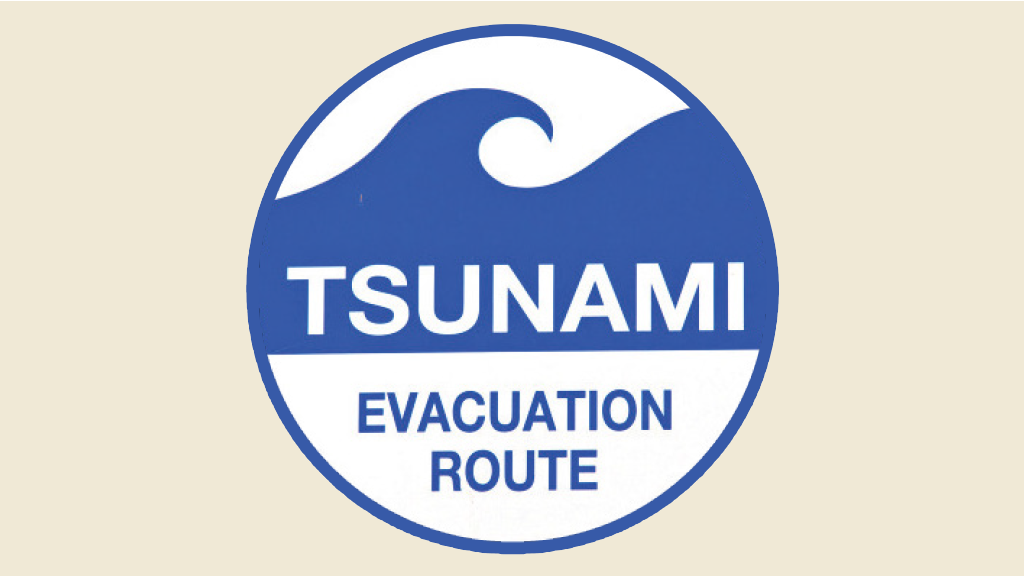
This means a tsunami is expected or occuring and there may be significant flooding in your area. Be sure to follow instructions from your local authorities, evacuate immediately and move to higher ground or inland. Please note that many coastal communities may have tsunami evacuation signs to let you know the best route to evacuate. - Tsunami Advisory
This happens when strong currents and dangerous waves are expected to occur. If this is issued, stay out of the water at beaches and waterways and follow directions from your local authorities. - Tsunami Watch
This indicates that an earthquake has occurred and a tsunami may be possible. If this is issued be prepared to act if necessary. - Tsunami Information
This is a statement released after an earthquake to indicate that there is no threat or that a threat has yet to be determined.
- Make sure you are signed up for Nixle alerts with your county, or sign up for the U.S. Tsunami Warning System.
- Create a bag of essentials for each member of your household (including pets) with nonperishable food, water, face masks and hand santizer.
- Practice evacuating with everyone you live with and map out routes that lead to higher ground.
- If you are a homeowner, speak with your insurance provider about coverage and ask about the National Flood Insurance Program.
- Find higher ground and travel as far inland as possible.
- Avoid buildings, bridges, and power lines as they may have incurred structural damage that makes them hazardous.
- Follow the recommended evacuation routes. These routes have been chosen for the specific challenges posed by tsunamis to help you evacuate as safely as possible.
Get into deeper waters to avoid the stronger waves close to shore.
Make sure your boat is equipped with emergency food and water so that you are able to wait out the waves.
Additional resources
Learn more about tsunamis
To learn more about tsunamis and how to prepare, visit the Ready.gov page
Download this page
You may download the content on this page for your convenience