©2026 Pacific Gas and Electric Company
IMPORTANT

Preparing with PG&E: The Devices That Can’t Run Out
Date: November 12, 2025
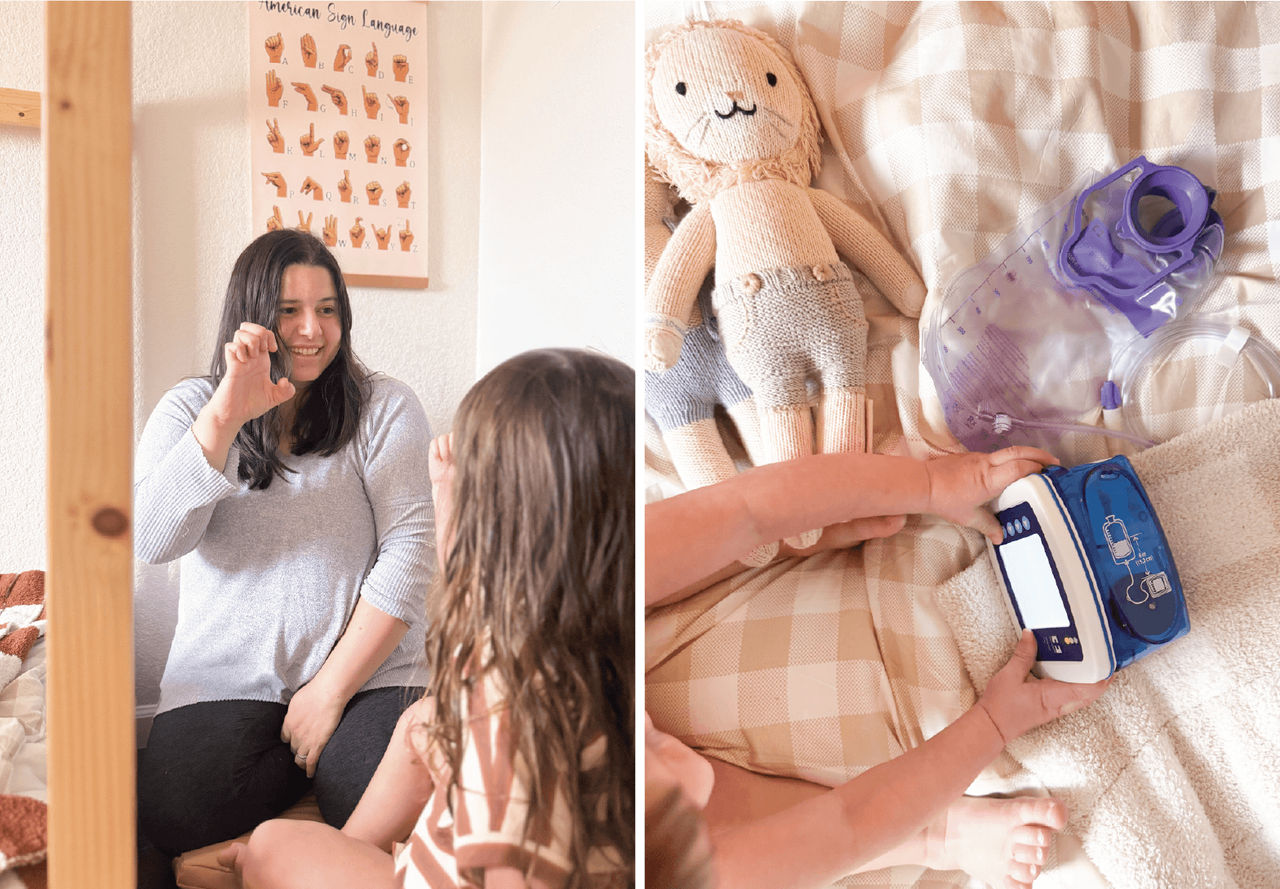
From the feeding pump that once kept my baby alive to the defibrillator that safeguards his heart today, our family knows what it means to rely on power for more than just comfort and convenience.
Life-sustaining devices can’t simply “wait it out” when outages happen. That complex reality used to fill me with fear each time fire season rolled around, but once I had the chance to explore PG&E’s accessibility resources and programs, that fear has turned into quiet, practical preparedness that helps families like mine breathe a little easier when the lights go out.
Before my son was born, I didn’t think much about emergency kits or power shutoffs. Outages were simply a fact of life — an inconvenience. But everything changed when we brought him home from the NICU. Our days revolved around medical equipment, careful routines, and the feeding pump that had to stay on.
Later, a defibrillator joined the list of necessary medical equipment. We also prep bottles of formula and keep them in the fridge to help him gain weight, since he has a genetic syndrome that impacts feeding and growth. Power outages were no longer a minor feature of California living; they could have real consequences.
I’ll never forget the year when fire season hit hard and we lost power for days. We didn’t have a generator then, and panic set in when we got the alert. We were scrambling, calling stores, refreshing websites, and texting friends to see if anyone had one we could borrow. Everywhere we looked, generators were sold out.
Trying to secure one felt like a race against the clock to make sure the devices our son depended on wouldn’t lose power. I remember sitting at the kitchen counter late at night, scrolling through my phone in the dark, trying to figure out what to do next. We eventually found a generator, but it was expensive, stressful, and a situation I never wanted to repeat.
That was when I realized we couldn’t live in reaction mode anymore. We needed a plan that didn’t rely on last-minute miracles or luck. It was then that I found out about PG&E’s resources for families like ours, whose health or safety are at risk during power outages.

PG&E’s partner program, Disability Disaster Access and Resources (DDAR), was a great starting point. Through DDAR, families who rely on power for medical or accessibility needs can receive support, including planning assistance and resources tailored to vulnerable households.
One of those resources recommended through DDAR is the Medical Baseline Program. For families like ours, it’s a huge help. It gives us extra energy at a lower price, which really helps with the cost of running medical devices 24/7. It also sends enrollees early outage notifications, giving us additional time to charge what we need to, get organized, and avoid the frenzy that occurs the minute the power goes off unexpectedly.
It was the first time I didn’t feel like I had to carry the entire emergency plan alone. Instead of late-night panic searching, we had a plan. We knew what to do, where to turn, and how to make sure the devices our son depends on wouldn’t be left vulnerable.
And we’re not the only ones who need extra support when the power goes out. Lots of other families, whether they have young kids, older adults, limited English skills, are pregnant, live in group settings, are unhoused, or lack reliable transportation, face extra risks during outages. Being prepared means thinking ahead for them, too.
These days, preparedness in our house doesn’t look dramatic. It’s me checking the emergency kit as I juggle a pile of stray toys and socks. It’s ensuring the feeding pump cords aren’t tangled, the defibrillator’s ready, and the alerts are on. There’s no bunker or big production, just small, simple steps that have given us peace in the face of power outages.
For families like ours, PG&E’s programs have made something that once felt terrifying manageable. And honestly, this kind of everyday preparedness is one of the most caring things I can do for my family. Visit pge.com/afn to get started.
About the author
Ashlee Reardon is a stay-at-home mom from California who shares the beauty in everyday chaos — raising wild and free kids, building cozy routines and embracing a slower, more sustainable lifestyle.