©2026 Pacific Gas and Electric Company
IMPORTANT

Range‑Extended Electric Vehicles Aim to Ease Charging Concerns
Date: January 29, 2026
The English language changes all the time. New words appear, and old words take on new meanings. Merriam-Webster added 5,000 new words in its most recent update. But one word that didn’t make the list is expected to become very common in the electric vehicle world: EREV.
You may see the term written in different ways. EREV stands for Range‑Extended Electric Vehicle, but it may also appear as REV, REEV, or Rex. Whatever name it uses, the term will matter. Experts expect 18 new EREV models to enter the U.S. market in the next few years.
What Is an EREV?
An EREV is a type of plug‑in hybrid, or PHEV. These vehicles use two power sources: a gasoline engine and an electric motor. The difference between a PHEV and an EREV comes down to how the car sends power to the wheels.
In a parallel hybrid, like most PHEVs, both the engine and the electric motor can power the wheels together or separately. The best‑known example is the Prius Plug‑in Hybrid (formerly the Prime).
In a series hybrid, like an EREV, the gas engine works mainly as a generator. It charges the battery, which then powers the wheels through the electric motor. This setup is common in trains and ships, but less common in cars — until now.
There are exceptions. The Chevrolet Volt, which I’ve driven for seven years, acts like a series hybrid most of the time. But at highway speeds, its engine can drive the wheels directly. Because series hybrids usually have larger batteries than PHEVs, they provide more electric‑only driving. In my case, more than 80% of my 33,000 miles have been powered by electricity.
Only a few well‑known series hybrids have been sold so far. One was the compact BMW i3, which offered a small motorcycle engine to extend its range. Another was the Fisker Karma, which used a 2.0‑liter engine to charge its battery and feed its dual electric motors.
The new generation of EREVs
The EV market in the U.S. and Europe has gone through big swings, with record sales followed by drops as incentives changed. To help more drivers feel comfortable switching to EVs, automakers began developing EREVs. These vehicles address a common worry: access to charging. With an EREV, the gasoline engine is always there to generate power when needed.
New EREVs are arriving across many popular vehicle types. Automakers such as Ram, Ford, Scout, Jeep, BMW, Hyundai, Kia, Genesis, Nissan, and Audi all plan to offer them.
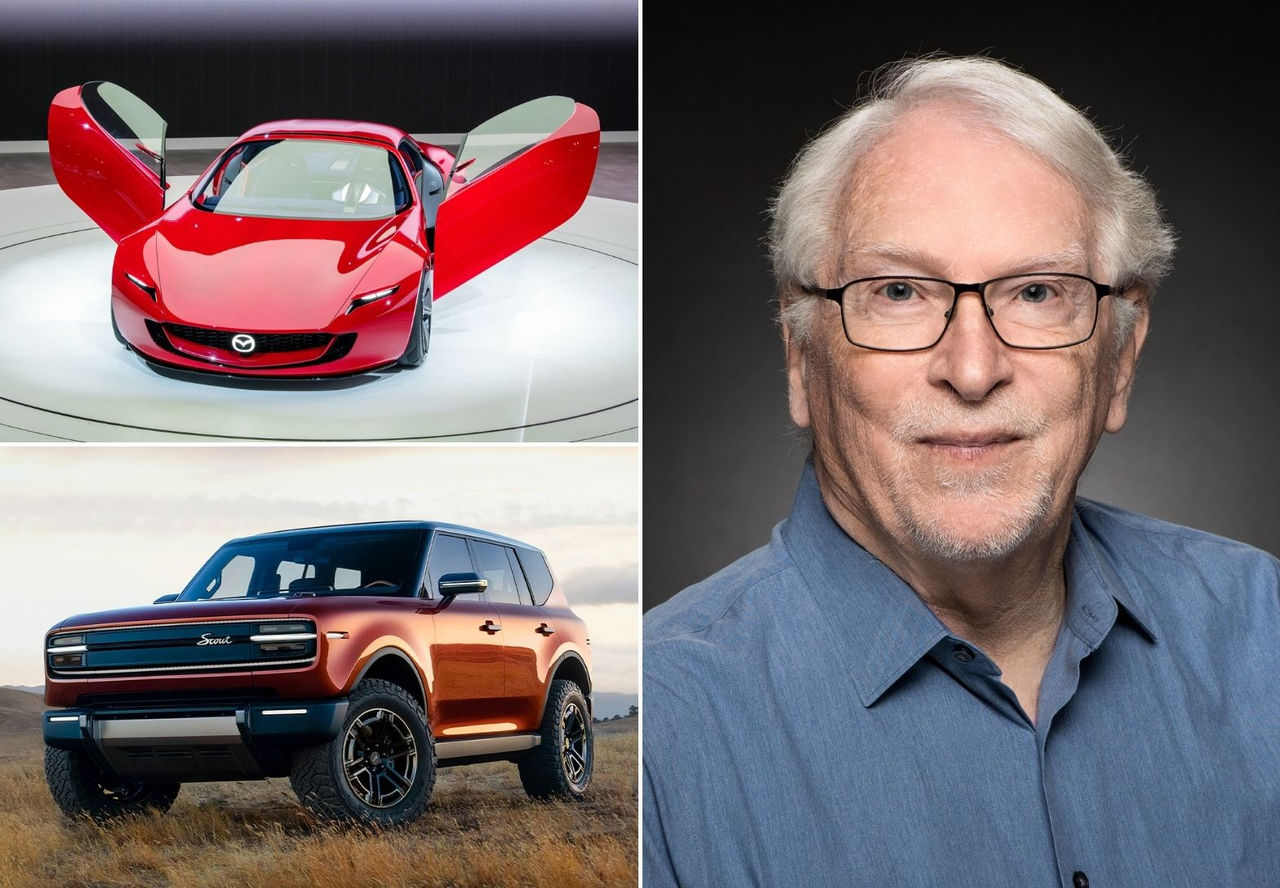
One model to watch is the Scout Traveler “Harvester” SUV. Scout, now part of Volkswagen, has shown off the Terra EREV, which is expected to offer 150 miles of electric‑only range and more than 500 miles of total range. It will also support fast charging using software developed with Rivian. Early reservations show strong interest in the EREV version.
Mazda has hinted that it may bring back its rotary engine as a generator for an EREV, based on a concept car shown in 2023. If the company moves forward, it could arrive soon.
Some release dates for these new models are still uncertain. But the trend is clear: EREV will be one of the key automotive terms of 2026.
EVs are now more affordable
Get up to $4,000 back on a used EV with the PG&E Pre-Owned EV Rebate Program. Learn more.
About the author
Michael Coates is an internationally recognized expert on automotive environmental issues. He publishes the Clean Fleet Report (https://cleanfleetreport.com/), writes for a variety of publications and also consults in the automotive industry.