©2026 Pacific Gas and Electric Company
IMPORTANT

PG&E Developing Solutions for Customers Without Easy EV Charging Access
Date: May 27, 2026
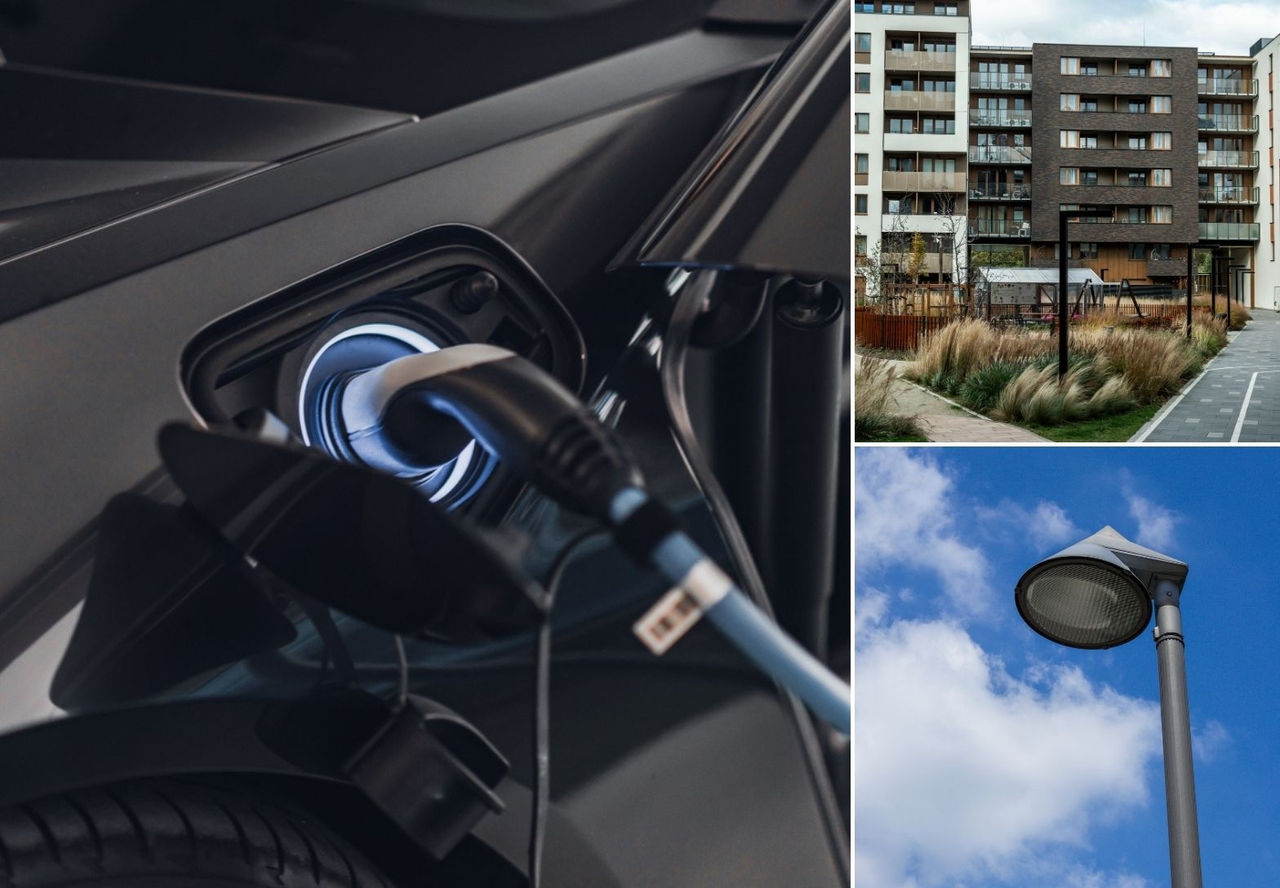
Many people in California want to drive an electric vehicle (EV). But for millions of renters and families without a driveway or garage, charging at home can feel out of reach. In older apartments or crowded neighborhoods, most people rely on street parking. Without a place to plug in overnight, switching to an EV can be a challenge.
PG&E is working with cities and community partners to change this. Through an active technology demonstration focused on identifying and developing charging solutions for parking constrained customers, PG&E recently conducted market research to gather feedback to better understand how their parking situations influence their decision to drive an electric vehicle.
Through R&D and interviews with property managers – as part of a PG&E Electric Program Investment Charge (EPIC) project – PG&E is learning where the biggest roadblocks are, and how to remove them. Here are the three challenges that have consistently shown up… and how PG&E is solving them:
1. Permitting: Slow, Complicated, and Unpredictable
Different cities follow different rules for permitting, and approvals can take months. That slows down projects even when customers are ready to move forward. As one property manager in San Jose put it, “The most significant challenge was securing permits… it felt like a black box after everything was submitted.”
To help, PG&E is working with cities to test clearer steps, like ready‑to‑use checklists and more consistent review timelines. The plan in Phase 2 is to evaluate the permit processes in the target cities where we have partner demonstration projects. These improvements can help reduce surprises and get chargers in the ground faster, especially in neighborhoods where most people park on the street.
2. Cost: More Than Just Buying the Equipment
Installing EV chargers is expensive. Hardware is only part of the cost; there are also planning fees, design work, trenching, wiring, and long‑term upkeep. (When looking at survey responses by EV ownership across all respondents, the cost to install charging equipment remained the top barrier, followed by clarity of the approval/permitting process and the proximity of the parking location to a power outlet.)
At one senior affordable housing community in Santa Clara County, staff installed three Level 2 chargers with support from a PG&E grant. To keep costs down, they put the chargers near the utility room to avoid trenching. But soft costs added up, too.
“Soft costs included outreach and communication with residents, especially with language barriers,” one property manager explained.
PG&E is now testing new partnership models that lower upfront costs and offer technical support. When communities face fewer financial hurdles, they can install more chargers, and renters gain more ways to consider driving electric.
3. Access: Chargers Aren’t Always Where People Live
Even when chargers exist in a city, they’re not always near people’s homes. For renters and families in multifamily housing, this is the hardest barrier.
At a small co‑housing community in Oakland, there’s only one off‑street parking space; and it holds the community’s single shared EV charger.
“The decision to install an EV charger was driven by our sustainability goals,” one resident said, “but most outreach seems designed for larger properties, not small community‑run places like ours.”
To close this gap, PG&E will test solutions like curbside chargers, chargers that connect to existing streetlights, and small neighborhood charging hubs. These options bring charging into the places where people live, without major construction.
PG&E plans to work with Brooklyn, New York-based It’s Electric and San Francisco-based Urban EV to deploy curbside chargers in San Francisco. Similarly, PG&E plans to work with New York-based Voltpost to update streetlights into EV chargers.
PG&E first identified It’s Electric through the company’s R&D efforts, particularly PG&E’s 2023 Pitch Fest, where It’s Electric was invited to pitch their solution to PG&E decision makers.
“When we make permitting simpler, reduce costs, and bring charging closer to home, we help renters, families, and entire communities take part in California’s clean energy future,” said Vanessa Morelan, Senior Program Manager for Clean Energy Transportation at PG&E.
The results of PG&E’s research, conducted in collaboration with Cadmus and Viridis, are available here (PDF).
Through 2028, PG&E will work with select communities and customers to demonstrate new approaches for reducing permitting timelines, lowering costs, and delivering solutions that bring EV charging where it is needed most.
This project is funded through PG&E's electric R&D budget under the public purpose program Electric Program Investment Charge (EPIC).
EPIC enables California investor-owned utilities to demonstrate new technologies and evaluate how they support safety, reliability, and affordability, environmental sustainability and equity objectives for the benefit of all California electric customers.
For more information about PG&E's R&D and innovation efforts, visit pge.com/innovation.