©2026 Pacific Gas and Electric Company
IMPORTANT

Best Info for EV Drivers: There's an App for That
Date: December 17, 2025
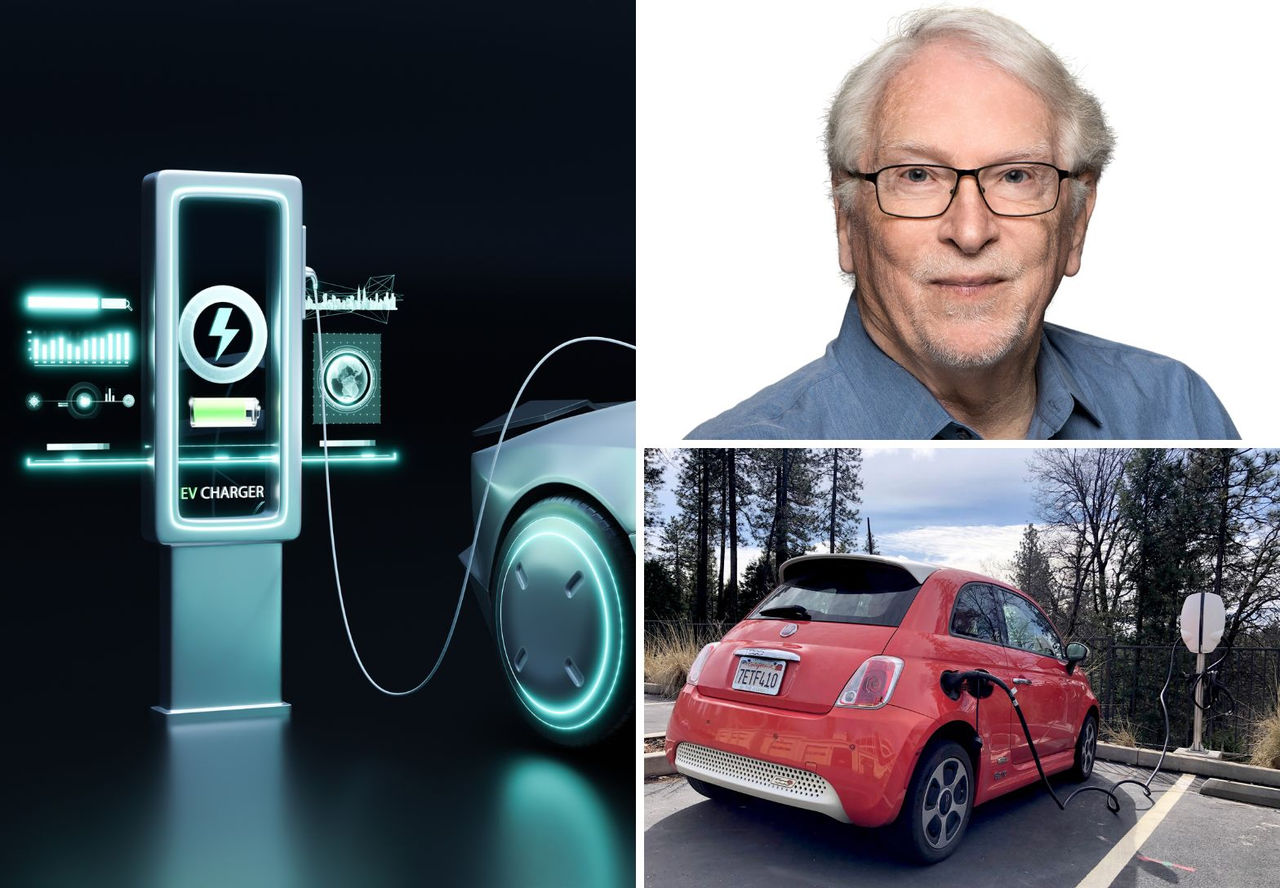
EV drivers are no different from the drivers of internal combustion engine vehicles when it comes to getting information for travel. They turn to apps to find chargers, get traffic updates and find help with their vehicles. Some of these apps are or can be embedded in the car’s infotainment system, or they can be used via Apple CarPlay or Android Auto. Of course, another alternative is to just use the app on your smartphone.
Finding public charging is becoming less of a challenge than it was only a few years ago, but it’s still nice to have an app to guide you — and even better if the app can tell you whether a charging port is available or even functional.
Three ways to get there
Finding your next charge on the road is a two-fold challenge. First, you have to find a charger (or hopefully a bank of chargers). Then, you have to find a charger that works with your vehicles.
That can happen with apps in three basic ways.
The easy, native way
If you own a Tesla, Rivian or Lucid (and some other EVs to a lesser degree), you have the easiest path to on-road charging. As Rivian sums it up, “Add your destination and we’ll tell when, where and how to charge along the way.”
The proprietary way
Some EVs come with free or discounted charging at certain charging stations. To use those apps to easily charge, you need to set up an account, including your personal information and credit card details. These accounts — from companies like Electrify America, EVGo, ChargePoint, Shell Recharge and others — will typically give you up-to-date information on the charger location and whether the charger is available, unavailable or in use. They’ll usually give you directions to the charger via your favorite map or navigation system,.3 even if you don’t have an account. But then you have to sort out paying once you’re at the charger. It’s getting easier all the time, but generally it’s still not as simple as pulling up to the pump at a gas station.
A move in the right direction
One app has been around longer than others and rises above the proprietary nature of many apps. Plugshare in many ways it reflects what’s happening in the charging world, which is the opening of charging to all vehicles. Tesla has opened up its network to a variety of competitors, and even with the alliances of various brands (vehicles and charging), just like in the gasoline world, charging is open to all EVs.
Plugshare shows you all the chargers available from all of the providers, info on their availability, directions to get to them and even the ability to pay through the app for some chargers. Others get toll-free contact numbers to handle payments. You can even plan trips through the app, although estimating your distance between charges is left to the user.
Other apps
Meanwhile, apps have been getting people from point A to point B for so long teenagers don’t know what a paper map is, much less how to refold them. The big map players—Google maps, Apple maps and Waze—can plot your route, even find and take you to a charger. But unlike the native apps we started out talking about, planning a wholistic EV that includes charging stops takes work on your part.
Like the EV industry as a whole, the apps that support your EV travels can do the job, but are also a work in progress. Some are better than others. Some are not functional for everyone.
If you’ve got a favorite app, we’d love to hear from you. Send a note to me at kmcoate@gmail.com and we can spread the word.
About the author
Michael Coates is an internationally recognized expert on automotive environmental issues. He publishes the Clean Fleet Report (https://cleanfleetreport.com/), writes for a variety of publications and also consults in the automotive industry.