©2026 Pacific Gas and Electric Company
IMPORTANT

A Vallejo Shop Turns Vintage Icons Into Modern EVs
Date: July 09, 2026
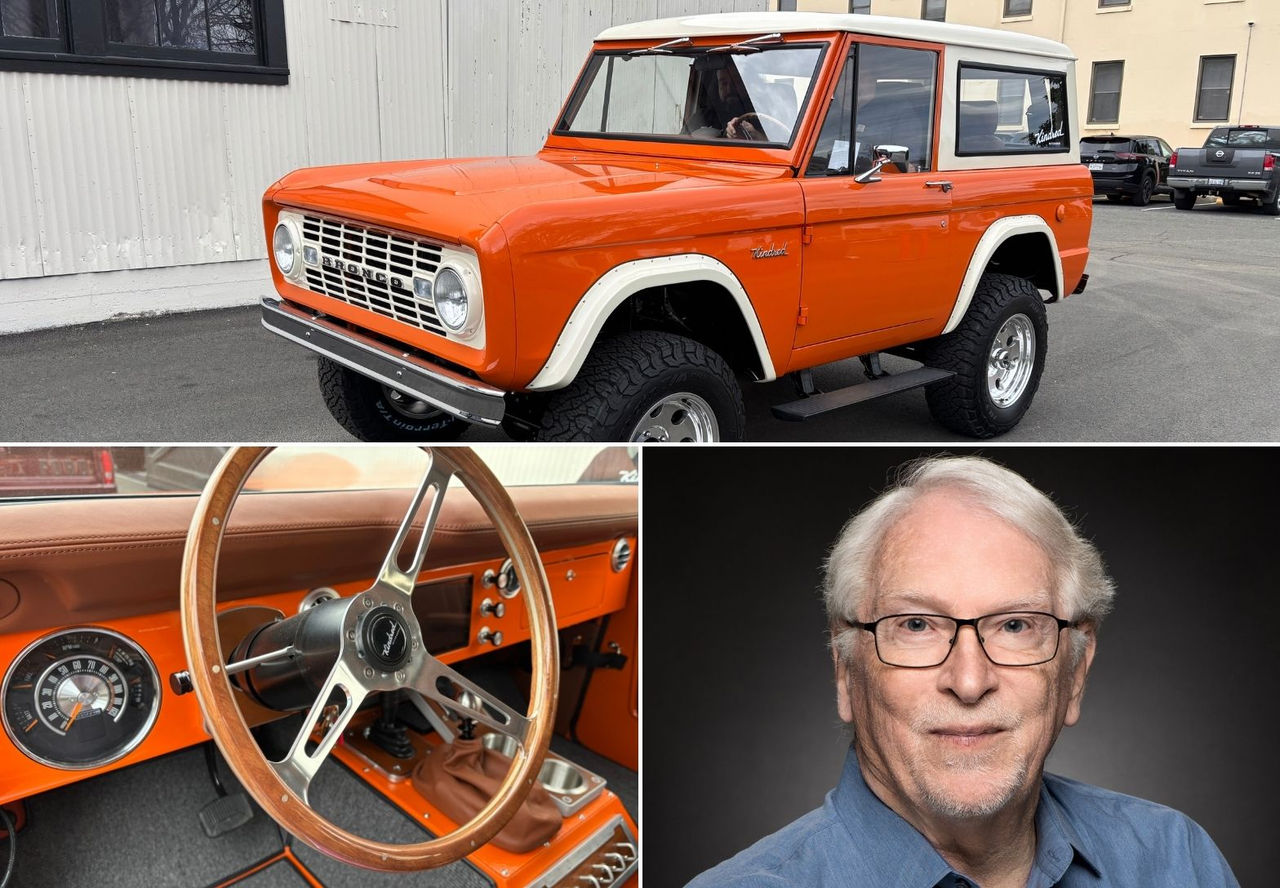
Sometimes you have to go to the past to get a glimpse of the future. A growing automotive manufacturing company based in an old submarine plant in Northern California is following that path. The seven-year-old company, Kindred Motorworks, takes the bare bones of an old Ford Bronco, Volkswagen Microbus or Porsche 911 and transforms them into modern electric vehicles.
The genre is called “restomod,” a mashup of the terms restored and modified, which captures the craft that Kindred’s 110 employees engage in. They aim to produce an essentially “new” vehicle based on parts of a historic model with substantial updates in technology. In the Bronco’s case, Kindred CEO Rob Howard said he has a sourcing team scouring the country looking for chassis and bodies of the half million Broncos produced from 1966-75. As Howard told the Automotive News, “We look for the crappiest Broncos out there because we’re not going to reuse the transmission or the engine.”
Once the basic parts are shipped to Kindred’s production operation, the real work begins. In the Bronco example, adding modern safety equipment such as four-wheel disc brakes, seat belts and a roll cage. In addition, technology unheard of in the car’s original incarnation is added — supportive seats, a backup camera and stylish materials in the interior. Even with those updates, the Broncos retain much of the original look and feel of the old Bronco. For instance, the speedometer retains its round shape and awkward low spot on the dash, but is not completely digitized. Kindred installs an electric powertrain (a modern gas V8 is another option). The build ends after 1300-1500 hours of work with a paint job that features classic primary colors, but applied with a finish you would expect in a car with a six-figure pricetag (which the Broncos have).
All this work results in a stylish, but standardized vehicle. Howard said there are limited options, the main one being the exterior color. The standardization is part of what distinguishes a Kindred Bronco from a similar restomod put together by individual. It leads to an advantage, which is serviceability.
Who’s the buyer?
Kindred buyers are someone looking for a unique-ish vehicle, according to Howard. As opposed to Kindred’s founder and CEO, who spent years wrenching on his own restorations in his garage while engaged in his day job as CEO of a supply chain company, buyers of this new-old Bronco are typically wealthy types who don’t want to change their own oil. Their goal, according to Howard, is to enjoying owning and driving a vintage car. The Kindred model is typically the third, fourth or fifth car in the owner’s household.
Two ways to buy
Kindred initially was selling its restomods directly from the factory, but recently has signed dealers to sell and service the vehicles around the country. The first dealers who signed up were in Texas and New York, but the company expects to add dealers in Arizona, California and the Pacific Northwest, areas where there’s an interest in electric vehicles as well as vintage models Even with a dealer network, don’t expect to see many of these models on the road. Howard said Kindred’s goal is to produce 50-100 of each of its three models a year. The slow, detailed production results in a high-quality, but pricey collectable car. Retail starts at $225,000 for the Bronco, more for the VW and Porsche.
A test drive
I had the opportunity to take Kindred’s Bronco restomods (both electric and gas models) on a brief test drive on Mare Island, a decommissioned Navy shipyard. They do not disappoint, presenting the power that those first generation Broncos only touched with their top option, a well-tuned 302 V8. The electric new-Bronco takes this classic ride into another realm. Power is quick, like most EVs, but the feel on the road is still 1966 — without the emissions. The VW and the Porsche weren’t ready yet, but I’d make a trip back to get a taste of how the updated versions of those iconic cars feel as restomods.
About the author
Michael Coates is an internationally recognized expert on automotive environmental issues. He publishes the Clean Fleet Report (https://cleanfleetreport.com/), writes for a variety of publications and also consults in the automotive industry.